Ultimate Mexico City Street Food Guide: What to Eat & Where
Mexico City's street food scene isn't just about grabbing a quick bite—it's a masterclass in flavor, history, and culture served from carts, stalls, and tiny storefronts across the sprawling capital. After spending considerable time navigating CDMX's neighborhoods and eating from vendors who've perfected their craft over decades, I can tell you that some of the best meals I've had in Mexico happened on sidewalks, in markets, and at corner stands for less than what you'd pay for a mediocre restaurant meal elsewhere.
The beauty of Mexico City street food is its accessibility and authenticity. You're not getting dishes designed for tourists or simplified for Western palates—you're eating what chilangos (Mexico City natives) actually eat for breakfast, lunch, and dinner. Whether you're exploring the bohemian streets of Coyoacán, the artsy corridors of Roma-Condesa, or the bustling markets of Centro Histórico, understanding what to eat and where to eat it will transform your Mexico City experience from good to genuinely unforgettable.
The Essential Taco Guide: Beyond the Basics
Classic Tacos al Pastor
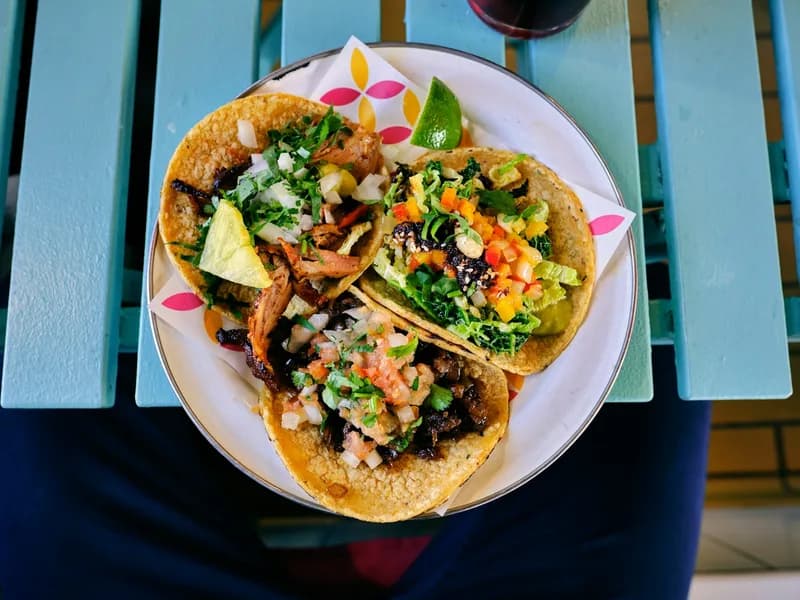
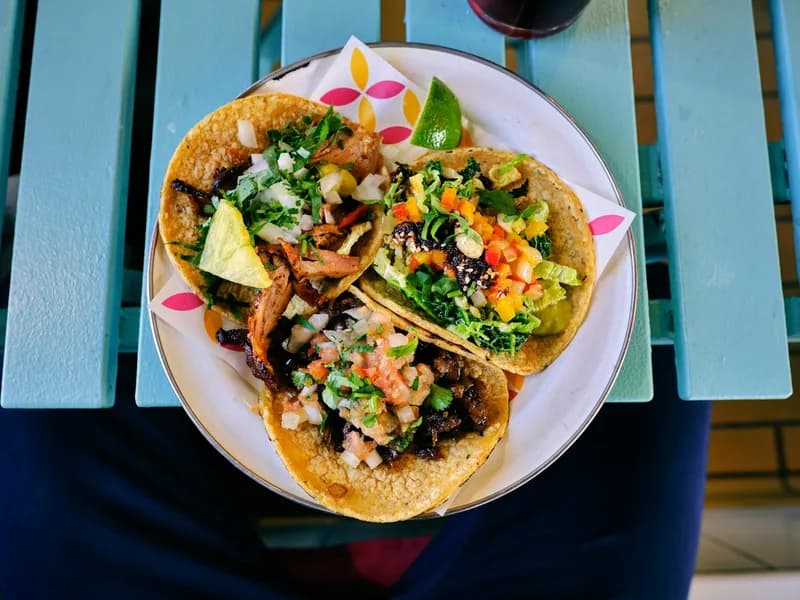
Tacos al pastor represent Mexico City's culinary fusion at its finest—a Lebanese-Mexican hybrid born from Middle Eastern immigration in the 1960s. The meat is marinated in dried chiles, spices, and vinegar, then stacked on a vertical spit (trompo) and shaved onto warm tortillas. The best versions come with fresh pineapple, onion, and cilantro.
Where to go: Head to Taquería Corazón de León (Calle Álvaro Obregón 64, Roma Norte) where owner Víctor Gutiérrez has been perfecting his recipe for over 20 years. Expect to pay 35-45 MXN ($2-2.50 USD) per taco. For a more casual experience, El Vilsito (multiple locations throughout the city) serves respectable al pastor from simple metal carts—25-30 MXN ($1.40-1.70 USD) per taco.
The key to identifying quality: the meat should be slightly charred on the edges, the pineapple should be warm and caramelized (not cold), and the tortillas should be fresh corn, never flour.
Tacos de Canasta (Basket Tacos)
These humble tacos are filled with simple ingredients—potatoes, chorizo, chicharrón prensado (pressed pork skin)—and kept warm in baskets lined with cloth. They're breakfast food, meant to be eaten quickly on your way to work, and they're absolutely delicious in their simplicity.
Where to find them: Early morning (6-9 AM) at Mercado de Medellín in Roma, or scout any neighborhood intersection around 7 AM—vendors with insulated baskets are impossible to miss. Cost: 15-20 MXN ($0.85-1.10 USD) for three tacos.
A word of caution: these are best eaten within an hour of purchase. The longer they sit, the soggier they become. Buy them fresh and eat them immediately.
Tacos de Barbacoa
Barbacoa—traditionally slow-cooked lamb or beef—is the Sunday breakfast of choice for many chilangos. The meat is impossibly tender, falling apart with just a tortilla, and typically served with consomé (broth) for dipping.
Best spot: Barbacoa Quintero (Calle Tolstoi 109, San Ángel) opens at 8 AM and closes by 1 PM—get there early. Three tacos with consomé costs around 60 MXN ($3.35 USD). The quality here is exceptional; the meat has been slow-cooked overnight in an underground pit.
Timing matters: barbacoa is traditionally weekend food, so your best bet is Saturday or Sunday morning. Weekday availability is spotty.
Quesadillas, Tortas, and Handheld Heavyweights
Quesadillas Beyond Cheese
The quesadilla gets a bad reputation from tourists who've only experienced the cheese-only versions served in casual restaurants. Real Mexico City quesadillas are filled with huitlacoche (corn fungus—trust me), flor de calabaza (squash blossoms), epazote, or rajas (roasted poblano peppers with cream).
Where to eat them: Quesadería La Paz (Calle Medellín 108, Roma) is a tiny counter-service spot run by a family that's been making quesadillas the same way since 1985. A quesadilla with rajas or huitlacoche costs 35-40 MXN ($2-2.25 USD). They use fresh corn tortillas pressed to order and fill them generously.
Pro tip: Ask for them "con queso" (with cheese) if you want the traditional version, or specify your filling preference. Most vendors are happy to customize.
Tortas: Mexico's Answer to Sandwiches
Tortas are substantial sandwiches on bolillo bread, typically filled with meat, refried beans, avocado, tomato, lettuce, onion, and mayo. They're lunch food, meant to be filling and satisfying.
Top destination: Tortas El Vilsito (Avenida Paseo de la Reforma 505, Cuauhtémoc) serves massive, expertly-built tortas for 55-75 MXN ($3-4.20 USD). Try the torta de milanesa (breaded, fried thin meat), which is their specialty.
Alternatively, Tortas Frontera (various locations) offers regional varieties from across Mexico—Oaxacan, Veracruz, and Yucatecan styles. Prices run 50-80 MXN ($2.80-4.50 USD).
The challenge with tortas: they're messy to eat while walking. Find a bench or small eating area to properly enjoy one.
Market Exploration: Where Locals Actually Eat
🏨 Find Your Perfect Hotel Compare prices from top booking sites and save up to 40% on your Mexico accommodation. Search Hotels →
Mercado de Medellín
This sprawling market in Roma Norte is where you'll find real food, not tourist food. The corredor gastronómico (food corridor) section has stalls serving everything from fresh ceviche to mole negro.
Must-try stalls:
- Tostadas de Atún (various vendors): Fresh tuna tostadas for 25-35 MXN ($1.40-2 USD)
- Caldo de Camarón (shrimp broth): 40 MXN ($2.25 USD) for a steaming bowl that's pure comfort
- Tamales: 15-25 MXN ($0.85-1.40 USD) per tamal, dozens of varieties available daily
Go early (8-10 AM) for the best selection and freshest ingredients. By noon, popular items sell out.
Mercado de San Juan
Located in Centro Histórico (Calle López 13, Centro), this market specializes in exotic and hard-to-find ingredients, but also has excellent food stalls serving traditional dishes.
Notable: The mole stalls here sell authentic mole negro, mole rojo, and mole amarillo by the portion. A generous serving with chicken costs 50-70 MXN ($2.80-4 USD). This is where you taste mole as it's meant to be—complex, time-intensive, and made by people who've dedicated their lives to the craft.
Fair warning: San Juan can feel chaotic and overwhelming to first-time visitors. Go with confidence, keep valuables secure, and don't photograph vendors without asking permission first.
Breakfast Like a Chilango
Tamales and Atole
Tamales are the ultimate Mexico City breakfast, sold from dawn until mid-morning from carts and small shops. They're corn dough wrapped around fillings (cheese, rajas, mole, chicken) and steamed in corn husks. Atole—a warm corn-based beverage—is the traditional accompaniment.
Reliable vendor: Look for any cart displaying "Tamales Oaxaqueños" or "Tamales de Rajas"—most are family operations that have been in the same spot for years. Cost: 15-20 MXN ($0.85-1.10 USD) per tamal, 12-15 MXN ($0.70-0.85 USD) for a cup of atole.
The tamale hierarchy: Oaxacan tamales tend to be larger and more generously filled than central Mexican versions. If you have a choice, go Oaxacan.
Chilaquiles
Chilaquiles—fried tortilla strips simmered in salsa—appear on street carts and market stalls by 7 AM. They're served with fried eggs, crema (Mexican sour cream), cheese, and sometimes chorizo.
Best market source: Any breakfast stall in Mercado de Medellín. Expect to pay 40-55 MXN ($2.25-3.10 USD) for a generous portion. The salsa quality varies wildly—taste-test if offered before committing.
Specialized Street Foods Worth Seeking Out
Elotes and Esquites
Street corn is a Mexico City institution. Elotes are whole corn cobs served with mayo, cotija cheese, chili powder, and lime. Esquites are corn kernels served in a cup with the same toppings—essentially the same thing in different form.
Where to find them: Every major street corner and market entrance. The vendors with the biggest crowds are usually the safest bet. Cost: 25-35 MXN ($1.40-2 USD) per elote.
Hygiene note: The corn is cooked fresh, but watch how it's handled. Reputable vendors use clean utensils and gloves. If something feels off about the setup, move on.
Huaraches
Don't let the name fool you—huaraches are fried oblong corn masa cakes topped with beans, salsa, lettuce, cheese, and your choice of protein. They're substantial, delicious, and often overlooked by tourists.
Top spot: Huaraches Doña Carmen (Calle Medellín 126, Roma) has been making them since 1975. A huarache with chorizo and nopales costs 50 MXN ($2.80 USD).
Sopes
Similar to huaraches but thicker and rounder, sopes are topped with beans, meat, lettuce, tomato, and crema. They're heavier, richer, and more filling than their huarache cousins.
Quality indicator: The masa should be thick enough to hold toppings without falling apart, but not so thick it's doughy. The best sopes have a slight crispy exterior with a soft interior.
Regional Specialties: Food from Across Mexico
🎒 Book Tours & Activities Skip the queue and book top-rated tours, day trips, and experiences across Mexico. Browse Tours →
Mexico City's street food scene reflects migration patterns from every Mexican state. You can eat your way across the country without leaving the city.
Oaxacan Food
Oaxaca's culinary traditions are strong in CDMX, particularly in the Oaxacan neighborhoods. Look for:
- Tlayudas: Large, crispy tortillas topped with beans, cheese, and meat (40-50 MXN/$2.25-2.80 USD)
- Mole negro: The complex, labor-intensive mole that defines Oaxacan cuisine (50-70 MXN/$2.80-4 USD per portion)
Where: Mercado 20 de Noviembre (Calle República de Uruguay, Centro) has multiple Oaxacan stalls, though navigating the market requires confidence.
Yucatecan Food
Yucatán's distinct cuisine shows up in CDMX, particularly in the form of:
- Cochinita pibil: Slow-roasted pork marinated in achiote and citrus (45-60 MXN/$2.50-3.35 USD)
- Panuchos: Fried tortillas stuffed with refried beans and topped with meat and pickled onions (35-45 MXN/$2-2.50 USD)
These are harder to find on street carts—your best bet is market stalls or specialized restaurants that double as street vendors.
Veracruz Seafood
The coastal state's seafood traditions appear in CDMX as:
- Ceviche: Fresh fish cured in lime juice with tomato, onion, and cilantro (40-60 MXN/$2.25-3.35 USD)
- Camarones a la diabla: Spicy shrimp (50-70 MXN/$2.80-4 USD)
Best source: Mercado de Medellín's seafood section, where vendors receive fresh shipments regularly.
Drinks and Desserts to Complete Your Street Food Experience
Fresh Juices and Aguas Frescas
Street juice vendors are everywhere in Mexico City. Fresh orange juice (jugo de naranja) is squeezed to order. Aguas frescas—refreshing drinks made from rice, melon, or hibiscus—are perfect for hot days.
Cost: 15-25 MXN ($0.85-1.40 USD) for a large cup. Watch to ensure fruit is freshly cut and juice is made with purified water (agua purificada), not tap water.
Churros and Churros con Chocolate
Churros are fried dough pastries, often dusted with sugar and cinnamon. They're breakfast or late-night snacks. Churros con chocolate—churros dipped in thick hot chocolate—are an evening tradition.
Best vendor: Churrería El Moro (Avenida Cinco de Mayo 42, Centro Histórico) has been operating since 1935. A churro costs 8-12 MXN ($0.45-0.70 USD). The chocolate is thick, rich, and worth the indulgence.
Paletas (Popsicles)
Mexican popsicles come in every imaginable flavor: tamarind, mango with chili, strawberry with cream, even beer-flavored. Vendors push carts through neighborhoods in the afternoon.
Cost: 8-15 MXN ($0.45-0.85 USD) per paleta. The fruit-based ones are refreshing; the cream-based ones are indulgent.
Practical Safety and Hygiene Considerations
Let's be honest: eating street food anywhere comes with minor risks, but Mexico City's street food scene is remarkably safe if you use common sense.
What to watch for:
- Water quality: Stick to vendors using bottled water or agua purificada (purified water). Avoid anything with ice unless you're confident about the water source.
- Meat freshness: Busy vendors are safer than quiet ones—high turnover means fresher food. Cooked meat should be hot, not lukewarm.
- Cleanliness: Watch how vendors handle food. Clean utensils, gloved hands, and organized setups are good signs.
- Crowds: In markets, follow where locals eat. They know which stalls maintain standards.
Reality check: Millions of chilangos eat street food daily without incident. Tourists get sick far more often from fancy restaurants than from street vendors. The key is observation and common sense.
Neighborhood-by-Neighborhood Breakdown
✈️ Find Cheap Flights to Mexico Search hundreds of airlines and travel sites to find the best deal on your Mexico flight. Compare Flights →
Centro Histórico
The historic center has the highest concentration of street food vendors, particularly around:
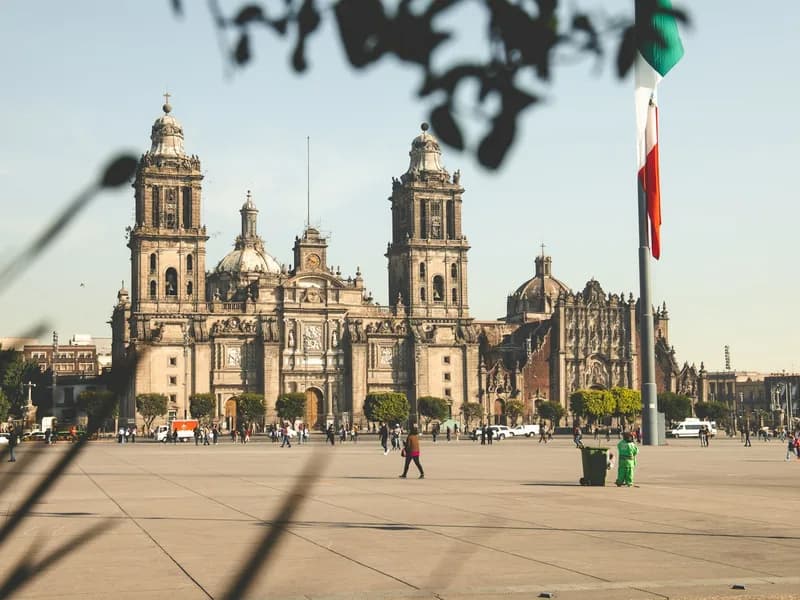
- Zócalo: Mostly tourist-oriented, but some genuine vendors remain
- Calle Madero: Tacos, tortas, and quick bites
- Around Mercado San Juan: Authentic market food
Best time to visit: Early morning (7-10 AM) for breakfast, or late evening (6-9 PM) for dinner vendors.
Roma and Condesa
These gentrified neighborhoods have a mix of street food and casual restaurants:
- Mercado de Medellín: Your best bet for authentic market food
- Calle Álvaro Obregón: Multiple taco stands and casual eateries
- Street carts on Avenida Paseo de la Reforma: Evening tacos and tortas
Roma-Condesa street food tends to be slightly pricier (10-20% more) than other neighborhoods, but quality is reliably high.
San Ángel and Coyoacán
These southern neighborhoods are more residential but have excellent market food:
- Mercado de San Ángel: Weekend market with food stalls
- Coyoacán's plazas: Evening street vendors and market food
These areas are less touristy and offer more authentic experiences, though they require more effort to navigate.
Timing: When to Eat What
Mexican street food operates on a schedule tied to meal times and traditions:
| Food | Best Time | Where |
|---|---|---|
| Tamales, Atole | 6-10 AM | Carts, markets, dedicated shops |
| Tacos de Canasta | 6-9 AM | Street carts, markets |
| Chilaquiles | 7-11 AM | Market stalls, casual |