This page contains affiliate links. We may earn a commission at no extra cost to you.
About the Tulum Ruins
The archaeological site of Tulum sits dramatically on a 12-meter cliff above the turquoise Caribbean Sea, making it the most scenically located of all Mayan ruins. The ancient city was known as Zama ("Dawn" in Maya, as it faces east toward the rising sun) and served as a major trading port for the Maya during the 13th to 15th centuries. It was one of the last Mayan cities to be inhabited, still occupied when the Spanish arrived in the early 16th century.
While the ruins are not as architecturally grand as Chichen Itza or Palenque, the combination of ancient stone structures against the Caribbean backdrop creates one of Mexico's most iconic and photographed scenes.
Key Structures
- El Castillo -- The largest and most prominent building, perched on the cliff edge. This temple likely served as a lighthouse and ceremonial center. Its position made it visible from the sea, guiding canoes through the reef.
- Temple of the Frescoes -- Contains well-preserved murals depicting Mayan deities, including the descending god figure that appears throughout Tulum. The building features detailed stucco decorations.
- Temple of the Descending God -- Named for the carved figure above the doorway of a diving or descending deity, possibly associated with the planet Venus or bees
- The Wall -- Tulum was a walled city, unusual for Mayan sites. The walls on three sides (the cliff served as the fourth) indicate its importance as a defensive trading post.
- House of the Columns -- One of the larger structures, likely serving a civic function
The Beach
Below the cliffs, a small beach is accessible from within the archaeological site via a steep path with stairs. Swimming is usually permitted and is a wonderful way to cool off after exploring the ruins. The water is typically calm and clear, with the ancient walls towering above.
Visiting Tips
- Arrive at 8:00 AM -- The site opens at 8:00 AM. By 10:00 AM, large tour groups arrive from Cancun and the crowds can be overwhelming
- Hire a guide -- Available at the entrance for approximately 600-800 MXN for a group. They provide essential historical context in about 45 minutes.
- Bring swimwear -- If you want to swim at the beach below the ruins
- Sun protection -- There is limited shade on the site. Hat, sunscreen, and water are essential.
- Allow 1.5-2 hours -- For the ruins and beach
- Walk from the entrance -- The site is about 600 meters from the parking area. A small tram operates for those who prefer not to walk (20-30 MXN).
Cost
General admission is approximately 90 MXN.
Getting There
- From Tulum pueblo -- The ruins are about 4 km from the town center. Colectivos, taxis, and bicycles all work.
- From Playa del Carmen -- About 1 hour south by colectivo or car
- From Cancun -- About 2 hours by road. Many organized tours are available.
Best Time to Visit
Early morning visits during the dry season (November to April) offer the best combination of light, temperature, and crowd levels. Weekdays are less crowded than weekends. Avoid visiting during cruise ship days in Playa del Carmen when possible.
Plan Your Visit
The Tulum Ruins are a highlight of the Yucatan Adventure 5-Day itinerary and the Riviera Maya Family 5-Day itinerary. Combine with a cenote visit -- Gran Cenote is just 4 km from the ruins.
Tours & Activities
Top Tours & Activities in Tulum
Discover the best experiences in Tulum with free cancellation and instant confirmation.
Browse ActivitiesThings to Do in Tulum
Book tours, attractions, and experiences in Tulum at the best prices.
Explore on KlookTulum Attractions & Tickets
Save on popular attractions and tours in Tulum.
View DealsHotels & Accommodation
Related Experiences
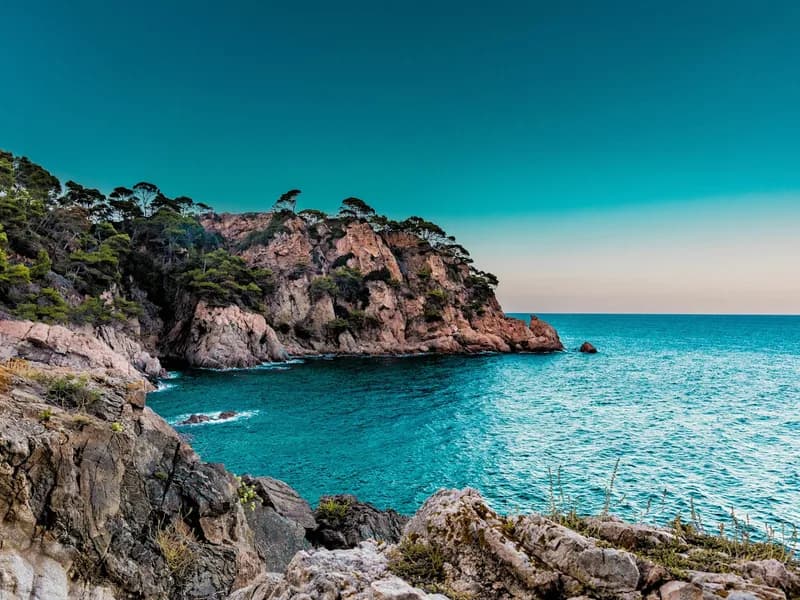
Scuba Diving in Cozumel
Experience world-class reef diving in Cozumel: drift along dramatic coral walls, swim through tunnels, and encounter sea turtles on the Mesoamerican Barrier Reef.
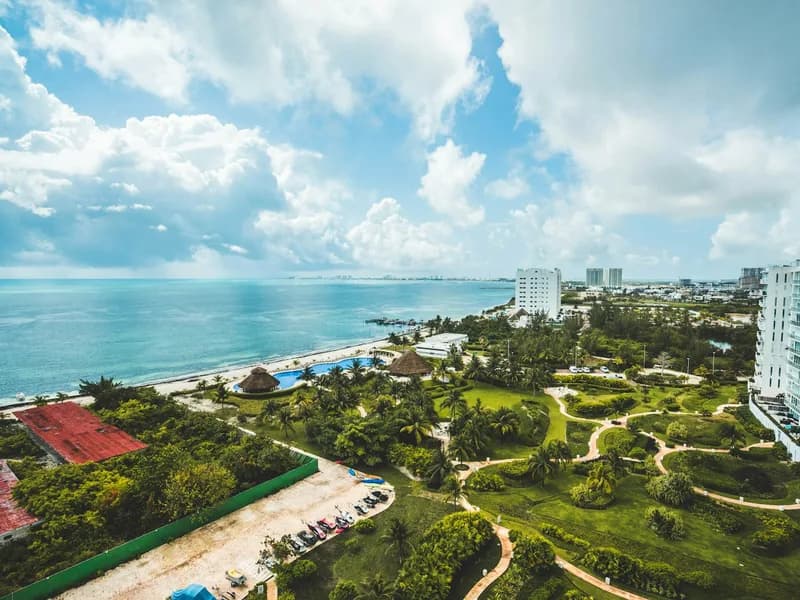
Swimming with Whale Sharks
Snorkel alongside whale sharks near Isla Mujeres: swim with the world's largest fish in the Caribbean waters off the Yucatan coast from June through September.
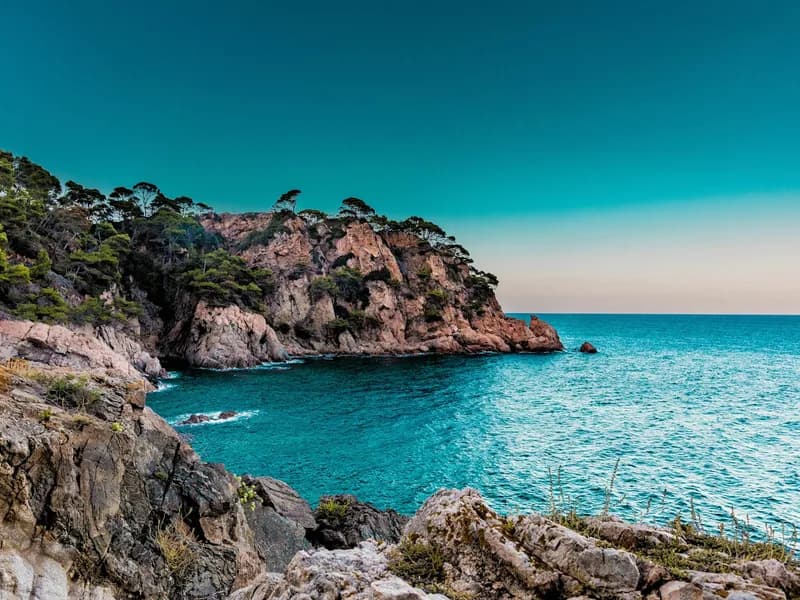
Swimming in Cenotes
Swim in the crystal-clear cenotes of the Yucatan Peninsula: sacred Mayan sinkholes with turquoise water, dramatic cave formations, and unforgettable snorkeling.