Day of the Dead Celebrations
This page contains affiliate links. We may earn a commission at no extra cost to you.
Difficulty
easy
What to Expect
Dia de los Muertos (Day of the Dead) is Mexico's most iconic cultural celebration, a time when families honor their deceased loved ones through elaborate altars (ofrendas), cemetery vigils, food, music, and art. Recognized by UNESCO as an Intangible Cultural Heritage of Humanity, the celebration runs primarily from October 31 to November 2, though preparations begin weeks earlier. This is not a mournful occasion -- it is a joyful, colorful reunion between the living and the dead.
Key Dates
- October 31 -- Preparations, altar building, many opening ceremonies
- November 1 (Dia de los Inocentes) -- Honors deceased children. Families visit children's graves and place toys and sweets on altars.
- November 2 (Dia de los Muertos) -- The main day, honoring adult departed. Cemetery vigils, processions, and the most elaborate celebrations.
Traditions
Ofrendas (Altars)
Families build elaborate altars in homes, businesses, and public spaces, decorated with:
- Cempasuchil (marigolds) -- The flowers' strong scent is believed to guide spirits home
- Papel picado -- Intricately cut tissue paper banners
- Photos of the departed -- Placed on the altar with their favorite foods and drinks
- Pan de muerto -- Sweet bread decorated with bone-shaped pieces
- Sugar skulls (calaveras) -- Decorative skulls, often personalized with the names of the departed
- Candles and copal incense -- To light the way for returning spirits
Cemetery Vigils
Families gather in cemeteries to clean, decorate, and sit with their loved ones through the night. They bring food, music, and drink, creating a festive but deeply meaningful atmosphere.
Best Places to Celebrate
Oaxaca City
Perhaps the most celebrated destination for Dia de los Muertos. The city fills with comparsas (parades), music, altars, and decorated cemeteries. The Panteon General cemetery is particularly atmospheric.
Mixquic (Mexico City)
A neighborhood in Tlahuac borough known for one of the most traditional cemetery vigils in the Valley of Mexico. Thousands of candles illuminate the graveyard in a spectacular display.
Patzcuaro and Janitzio (Michoacan)
The Purepecha communities around Lake Patzcuaro hold some of the most traditional celebrations, with nighttime canoe processions to the island cemetery of Janitzio.
Mexico City
The capital has embraced a large-scale parade along Paseo de la Reforma (inspired by the James Bond film Spectre, but now a genuine tradition), plus celebrations in neighborhoods like Coyoacan.
Tips
- Book accommodation months ahead -- Hotels in Oaxaca and Patzcuaro sell out for Day of the Dead
- Respect the tradition -- This is a living cultural practice, not a performance for tourists. Observe cemetery vigils respectfully and ask before photographing.
- Dress up -- Many visitors paint their faces as calaveras (skulls). Face painting services are widely available.
- Try the food -- Pan de muerto, mole, tamales, and chocolate are traditional.
Cost
The celebration itself is free to observe and participate in. Face painting costs 50-200 MXN. Tours range from 500-2,000 MXN.
Plan Your Visit
Day of the Dead is a highlight of any late-October visit to Mexico. See the Oaxaca Deep Dive 5-Day itinerary or the Classic Mexico 7-Day itinerary timed around these dates. For the full history, regional variations, and planning tips, read our complete Day of the Dead guide.
Book Your Experience
Top Tours & Activities in Day of the Dead Celebrations
Discover the best experiences in Day of the Dead Celebrations with free cancellation and instant confirmation.
Browse ActivitiesThings to Do in Day of the Dead Celebrations
Book tours, attractions, and experiences in Day of the Dead Celebrations at the best prices.
Explore on KlookDay of the Dead Celebrations Attractions & Tickets
Save on popular attractions and tours in Day of the Dead Celebrations.
View DealsRelated Destinations


Suggested Itineraries
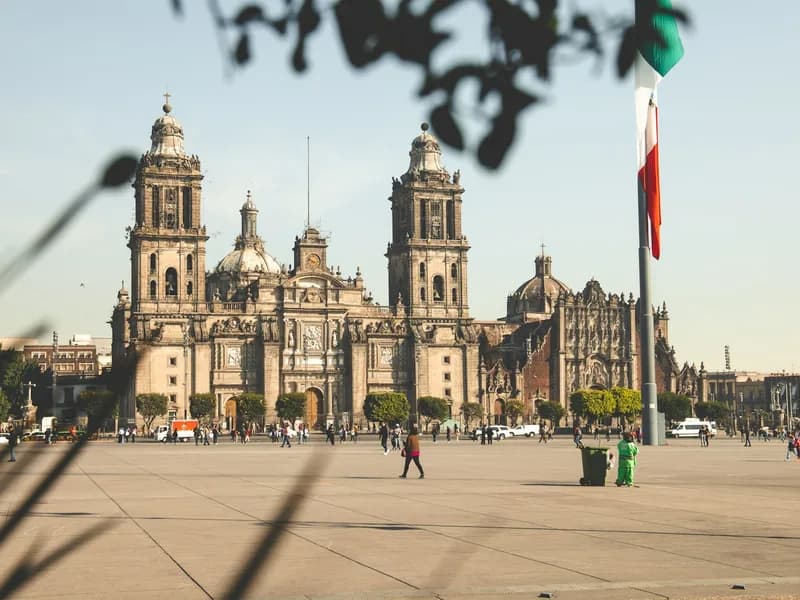
Classic Mexico: 7-Day Itinerary
The essential Mexico itinerary: 3 days in Mexico City, 2 days in Oaxaca, and 2 days in Puebla covering museums, ruins, incredible food, and colonial architecture.
7
Mexico City in 3 Days
See the best of Mexico City in 3 days: world-class museums, ancient pyramids, incredible street food, vibrant neighborhoods, and unforgettable cultural experiences.
3
Oaxaca Deep Dive: 5-Day Itinerary
Immerse yourself in Oaxaca over 5 days: cooking classes, Monte Alban ruins, mezcal distilleries, Hierve el Agua, vibrant markets, and Mexico's best food.
5