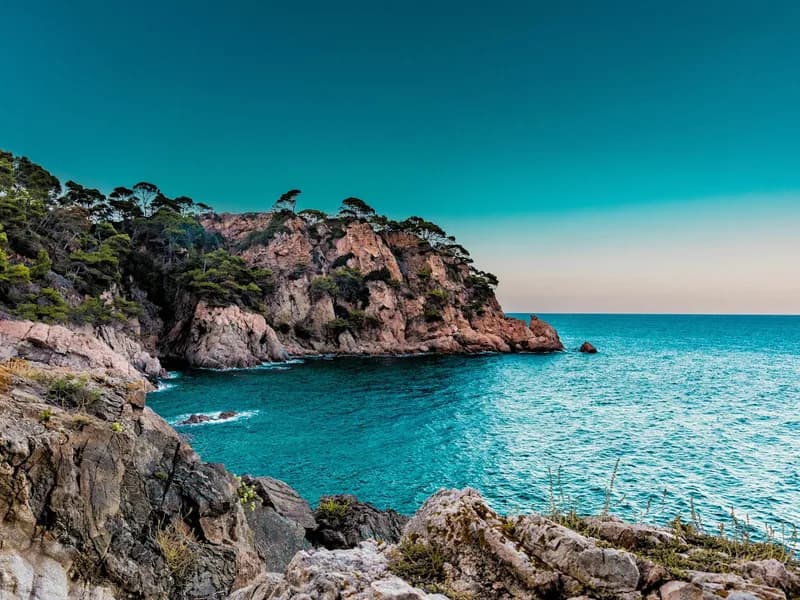
Whale Watching in Baja California
This page contains affiliate links. We may earn a commission at no extra cost to you.
Difficulty
easy
What to Expect
Every winter, approximately 20,000 gray whales migrate roughly 10,000 kilometers from the Bering Sea to the warm, shallow lagoons of Baja California Sur to mate and give birth. What makes this experience extraordinary is that many of these whales are "friendly" -- they actively approach small boats, allowing close encounters where you can see them eye-to-eye and sometimes even touch them. This is one of the most remarkable wildlife experiences on the planet.
Where to Go
Laguna San Ignacio
Often considered the best location for friendly whale encounters. This remote lagoon on the Pacific side of the peninsula is less developed, creating a more intimate experience. Access is typically through organized tours from San Ignacio town.
Laguna Ojo de Liebre (Scammon's Lagoon)
Near Guerrero Negro at the border of Baja California and Baja California Sur. Named after the American whaler Charles Melville Scammon, who discovered the breeding grounds in the 1850s. More accessible than San Ignacio, with tours departing from Guerrero Negro.
Bahia Magdalena (Mag Bay)
On the Pacific coast south of Ciudad Constitucion. Good whale watching with the easiest access from Los Cabos (about 3 hours by road).
Banderas Bay (Puerto Vallarta)
While not Baja, humpback whales visit Puerto Vallarta's Banderas Bay from December through March, offering a different but also excellent whale watching experience.
The Experience
Tours use small pangas (open boats) holding 6-10 passengers. You motor into the lagoon where whales are resting, playing, and nursing. The pangas cut their engines and wait. Often, curious whales -- especially mothers with calves -- approach the boats on their own. They may surface alongside, roll to look at you, or even raise their heads (spy-hopping) to observe the passengers. It is an unforgettable, emotional encounter.
Tips
- Season -- Gray whale watching runs from mid-January through March, with peak encounters in February and early March
- Book in advance -- Popular operators and camps sell out, especially in February
- Dress in layers -- Morning boat rides can be chilly and windy on the water
- Bring a waterproof camera -- Whales surface close enough for incredible photos, and spray is common
- Patience -- While encounters are common, they are not guaranteed. Some trips have multiple close approaches; others keep more distance.
- Motion sickness -- The open ocean portions can be choppy. Take precautions if sensitive.
Cost
- Lagoon tours -- Approximately 800-1,500 MXN per person for a 2-3 hour panga tour
- Multi-day eco-camps -- Several operators run eco-camps at San Ignacio and Mag Bay with accommodation, meals, and multiple whale watching excursions. These range from $150-300 USD per night.
- Day tours from Cabo -- Including transport to Mag Bay, approximately 3,000-5,000 MXN per person
Plan Your Visit
Whale watching is a centerpiece of any winter visit to Baja California and can be incorporated into the Baja Road Trip 5-Day itinerary.
Book Your Experience
Top Tours & Activities in Whale Watching in Baja California
Discover the best experiences in Whale Watching in Baja California with free cancellation and instant confirmation.
Browse ActivitiesThings to Do in Whale Watching in Baja California
Book tours, attractions, and experiences in Whale Watching in Baja California at the best prices.
Explore on KlookWhale Watching in Baja California Attractions & Tickets
Save on popular attractions and tours in Whale Watching in Baja California.
View DealsRelated Destinations


Suggested Itineraries
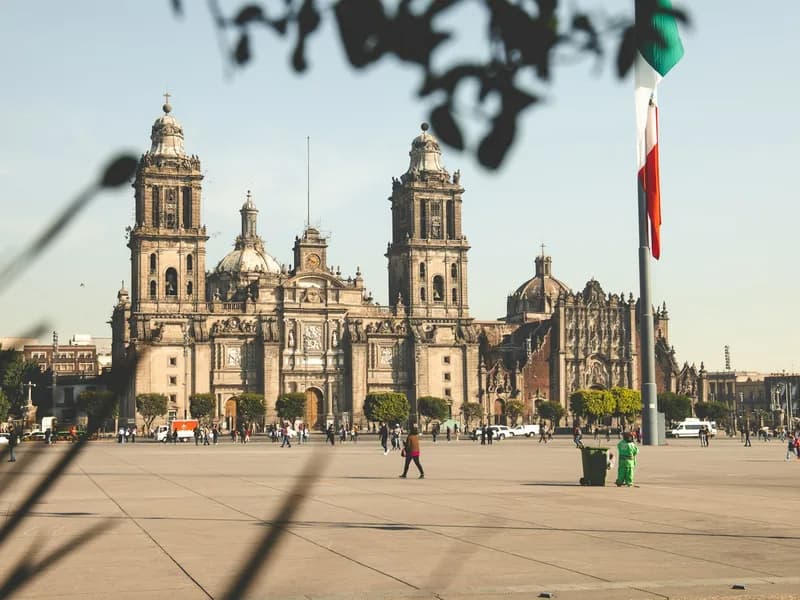
Baja California Road Trip: 5-Day Itinerary
Road trip through Baja California in 5 days: Tijuana food scene, Ensenada wine country, Valle de Guadalupe tastings, and the beaches of Los Cabos.
5
Chiapas Adventure: 5-Day Itinerary
Explore Chiapas in 5 days: San Cristobal de las Casas, Palenque ruins, Sumidero Canyon, Agua Azul waterfalls, indigenous markets, and highland culture.
5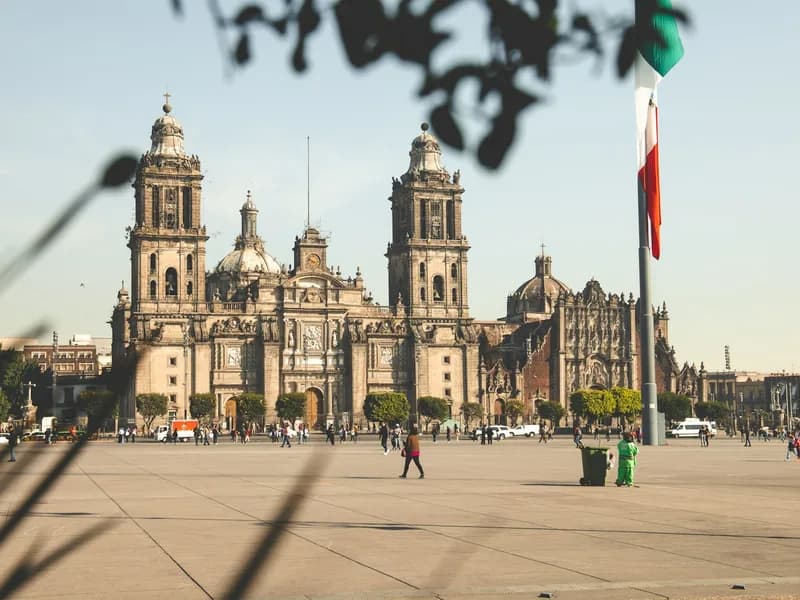
Classic Mexico: 7-Day Itinerary
The essential Mexico itinerary: 3 days in Mexico City, 2 days in Oaxaca, and 2 days in Puebla covering museums, ruins, incredible food, and colonial architecture.
7