Central Mexico Travel Guide
Explore Central Mexico: Mexico City's world-class culture, colonial cities like Guanajuato and San Miguel de Allende, ancient Teotihuacan, and incredible food.
Overview
Discover Central Mexico
Central Mexico is the cultural and historical heartland of the country. Sitting on a high plateau surrounded by volcanic mountains, this region has been the center of civilization for millennia -- from the ancient city of Teotihuacan to the Aztec capital of Tenochtitlan to modern-day Mexico City. Today, it offers travelers world-class museums, stunning colonial architecture, and some of the best food in the Americas.
Top Destinations
The Capital
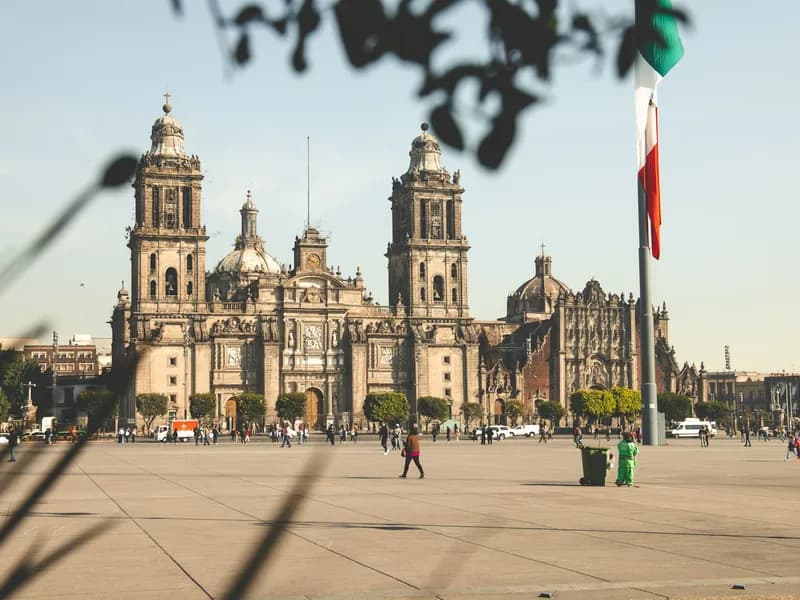
Mexico City is the undisputed heart of the region and one of the world's great metropolises. With a population of roughly 9 million in the city proper (over 21 million in the metro area), it offers an inexhaustible supply of museums, restaurants, markets, and neighborhoods to explore. The Museo Nacional de Antropologia, Chapultepec Castle, and Xochimilco are just the beginning.
Colonial Cities
- San Miguel de Allende -- A UNESCO World Heritage city known for its baroque architecture, thriving art scene, and international community
- Guanajuato -- A colorful hillside university city with underground tunnels and vibrant cultural life
- Puebla -- Famous for its Talavera pottery, mole poblano, and stunning colonial center
- Queretaro -- A sophisticated city with excellent wine country nearby
Ancient Sites
- Teotihuacan -- The massive Pyramids of the Sun and Moon, just an hour from Mexico City
- Tula -- Home to the impressive Atlantean warrior figures of the Toltec civilization
Geography and Climate
Central Mexico sits at elevations between 1,500 and 2,400 meters above sea level. Mexico City itself is at approximately 2,240 meters, giving it a temperate climate year-round. Daytime temperatures typically range from 20-26 degrees Celsius, though nights can be cool. The rainy season runs from June through October, usually with afternoon showers that clear by evening.
Getting Around
Mexico City's Benito Juarez International Airport (MEX) is the main entry point. The city has an extensive metro system, and ride-hailing apps like Uber and DiDi are widely used. For travel between cities, first-class bus lines like ETN, Primera Plus, and Pullman de Mexico offer comfortable service. The drive from Mexico City to San Miguel de Allende takes approximately 3-4 hours, and to Guanajuato about 4-5 hours.
Regional Cuisine
Central Mexico is a food lover's paradise. Mexico City alone could keep you eating for months -- from street food like tacos al pastor, tlacoyos, and tamales to high-end restaurants that have earned international acclaim. Puebla is the birthplace of mole poblano and chiles en nogada. Guanajuato is known for enchiladas mineras, and the entire region produces excellent pulque (fermented agave drink) and craft beer.
Best Time to Visit
The dry season from November to April is ideal, with clear skies and pleasant temperatures. March and April can be the warmest months. The rainy season brings lush green landscapes but afternoon downpours. Major festivals include Day of the Dead (late October to early November) and Independence Day celebrations (September 15-16).
Plan Your Visit
The Classic Mexico 7-Day itinerary combines Mexico City, Oaxaca, and Puebla for a well-rounded introduction. For a focus on colonial cities, see the Colonial Cities 7-Day itinerary.