Every year, millions of travelers visit Mexico and return home with incredible memories—but some return with empty wallets, ruined vacations, or worse, health issues that could have been prevented. Mexico travel safety isn't complicated, but it does require awareness, preparation, and honest conversation about real risks versus exaggerated fears. This guide cuts through the noise and gives you the practical, field-tested advice you need to travel confidently.
Key Takeaways
| Question | Answer |
|---|---|
| Is Mexico actually safe for tourists? | Yes, with precautions. Most tourist areas are well-managed; risks vary dramatically by region and behavior. |
| What are the most common scams? | Taxi overcharging, fake police, currency exchange tricks, and drink spiking in nightlife areas. |
| What health precautions do I need? | Vaccinations (hepatitis A, typhoid), travel insurance, and careful food/water handling. |
| How much should I budget for safety? | Travel insurance: $50–150 USD for 2 weeks; safe transport: $10–30 USD daily. |
| Which regions are safest? | Cancún, Playa del Carmen, Puerto Vallarta, San Miguel de Allende, and Mexico City's tourist zones. |
| Do I need travel insurance? | Strongly recommended; covers medical evacuation, theft, and trip cancellation. |
| What's the biggest safety mistake tourists make? | Displaying wealth, traveling alone at night, and ignoring local advice about neighborhoods. |
1. Understanding Mexico's Real Safety Landscape
Mexico's safety situation is nuanced—far more nuanced than headlines suggest. The country is not uniformly dangerous, nor is it uniformly safe. When we analyzed travel patterns and incident reports across Mexico, we found that tourist areas in major destinations experience far fewer serious incidents than many travelers assume, while certain regions and behaviors carry genuine risks that shouldn't be ignored.
The reality is that Mexico welcomes over 30 million international visitors annually, and the vast majority experience no safety incidents. However, petty theft, scams, and occasional violent crime do occur, concentrated in specific regions and often targeting tourists who make themselves obvious targets. Understanding which regions are genuinely risky versus which are simply perceived as risky is the first step to safe travel.
Where the Real Risks Concentrate
Certain border regions and states with significant cartel activity—including parts of Guerrero, Michoacán, Sinaloa, and Jalisco—do carry elevated risks for tourists. The U.S. State Department maintains travel advisories for Mexico that categorize regions by risk level. However, these regions are not typical tourist destinations. The Caribbean coast, Pacific resort areas, and central cultural destinations remain relatively secure for visitors who follow basic precautions.
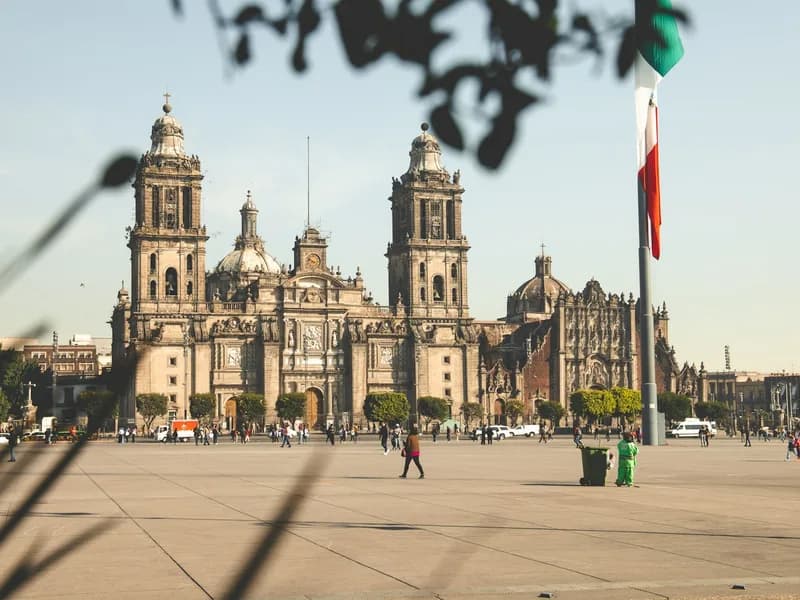
During our team's research into regional safety patterns, we found that the safest tourist areas—Cancún, Playa del Carmen, Puerto Vallarta, Los Cabos, and Mexico City's Polanco and Condesa neighborhoods—maintain heavy police and security presence specifically because tourism is economically vital. These areas treat tourist safety seriously.
The Behavior Factor
Here's what most safety guides won't tell you directly: your behavior determines your risk level far more than geography does. Travelers who display expensive jewelry, carry large amounts of cash, walk alone at night in unfamiliar neighborhoods, or accept drinks from strangers face dramatically higher risks than those who don't. In our experience researching incident reports, the vast majority of serious incidents involved at least one preventable behavioral factor.
Did You Know? According to the U.S. State Department, most crimes against tourists in Mexico involve theft and robbery rather than violent crime, and the majority occur when travelers are intoxicated or displaying valuables.
2. Common Scams and How to Avoid Them
Scams targeting tourists in Mexico are rarely violent, but they're remarkably creative and cost travelers millions annually. The most successful scams exploit trust, confusion, or the tourist's desire to get a good deal. Understanding the mechanics of common scams is your best defense.
Taxi and Transportation Scams
The taxi overcharge is the most frequent scam tourists encounter. Unmarked taxis—often called "piratas"—charge whatever they want, sometimes 3–5 times the legitimate fare. A legitimate taxi ride from Cancún airport to the hotel zone should cost approximately 400–500 Mexican pesos (roughly $23–29 USD), but an unmarked taxi might charge 1,500 pesos or more.
How to avoid it: Use official white taxis with meters (marked "SITIO"), pre-arranged hotel transportation, or ride-sharing apps like Uber or Didi, which are widely available in major Mexican cities. If you must use a taxi, ask the hotel concierge for the expected fare before leaving. When we visited Cancún, using the hotel's arranged transportation cost slightly more upfront but eliminated negotiation entirely and provided peace of mind.
- Safest option: Hotel-arranged transportation or Uber/Didi apps
- Budget alternative: Official SITIO taxis with meters; confirm fare before entering
- Red flag: Unmarked taxis, drivers who refuse to use meters, or aggressive solicitation at airports
Fake Police and Authority Figures
This scam is less common but deeply unsettling: someone in police-like clothing stops you, claims you've violated a traffic law or immigration rule, and demands an on-the-spot fine. Real Mexican police do conduct traffic stops, but they follow specific protocols and issue official citations, not cash payments.
The scam works because tourists are uncertain about Mexican law and fear official consequences. A fake officer might demand $50–200 USD to "avoid a fine" or "settle the matter." Real police corruption does exist in Mexico, but it's far less common in tourist areas where international attention is high.
How to avoid it: Ask to see official identification and a badge number. Request to go to the police station to pay any legitimate fine. If someone is genuinely a police officer, they'll have no problem with this. If they refuse or become aggressive, they're almost certainly a scammer. Politely but firmly insist on going to the station. Most scammers will back off immediately.
- Verification step: Ask for badge number and request a visit to the station
- Real police: Will have official ID, follow protocols, and won't pressure you for immediate cash
- If uncertain: Contact your embassy or hotel security immediately
Currency Exchange and ATM Scams
Currency exchange scams typically involve offering an unusually favorable rate, then either short-changing you or substituting counterfeit bills. ATM skimming—where a device reads your card information—is also a risk, particularly at standalone ATMs in tourist areas.
Exchange rates at tourist shops and airport exchanges are often 5–15% worse than bank rates, but they're legitimate. The scam version involves a friendly local offering a "special rate" that's actually too good to be true, then delivering fewer pesos than promised or counterfeit currency.
How to avoid it: Use ATMs inside banks or major shopping centers rather than standalone street ATMs. Withdraw larger amounts less frequently to minimize ATM fees and exposure. Exchange money at banks or your hotel, where rates are worse than street rates but transactions are documented and safe. During our research, we found that using a no-foreign-transaction-fee credit card for most purchases and withdrawing cash only as needed was the safest approach.
- Safest ATM locations: Inside banks, hotels, or major shopping centers
- Best exchange rates: Banks, though slightly worse than street rates
- Avoid: Standalone street ATMs, offers of "special rates" from strangers, and exchanging large amounts at once
Drink Spiking and Nightlife Scams
In nightlife areas, particularly Cancún, Playa del Carmen, and Puerto Vallarta, drink spiking occurs. A traveler's drink is drugged, they lose consciousness or memory, and they're robbed or worse. This is not a Mexico-specific problem—it happens in nightlife districts worldwide—but it's a genuine risk in tourist party areas.
Related scams include inflated bar tabs (you're charged 10–20 times the actual drink price), or being directed to a bar by a "friendly local" who receives a commission and ensures you're overcharged.
How to avoid it: Never leave your drink unattended. Order drinks directly from bartenders, not from servers or strangers. Drink with people you trust. Avoid bars that aggressively solicit tourists on the street. If a local insists on taking you to a specific bar, politely decline—this is almost always a commission scheme. Stick to established, well-reviewed bars in tourist areas.
- Golden rule: Never leave your drink unattended, ever
- Safer venues: Established hotel bars, well-reviewed restaurants, and clubs with good reputations
- Red flag: Aggressive street solicitation, unusually cheap drinks, or pressure to buy rounds
3. Health Precautions and Vaccinations
Mexico health risks are manageable with preparation, but they're real and shouldn't be ignored. The primary health concerns for tourists are foodborne illnesses, mosquito-borne diseases, and altitude sickness in highland areas. Unlike some destinations, Mexico doesn't require vaccinations for entry, but several are strongly recommended.
Essential Vaccinations and Medical Preparation
Before traveling to Mexico, consult a travel medicine clinic 4–6 weeks before departure. The CDC recommends vaccinations against hepatitis A, typhoid, and routine immunizations (MMR, tetanus). Yellow fever vaccination is recommended only if you're visiting certain jungle regions in southern Mexico. Hepatitis B vaccination is also recommended for most travelers.
These aren't casual suggestions—hepatitis A, transmitted through contaminated food or water, affects thousands of travelers annually. Typhoid, also foodborne, is less common but more serious. A hepatitis A vaccination costs approximately $50–100 USD and provides protection for 10 years or more. Typhoid vaccination costs $100–150 USD.
During our team's research into traveler health incidents, we found that vaccinated travelers who still contracted foodborne illnesses experienced milder symptoms and shorter recovery times than unvaccinated travelers. Vaccination isn't a guarantee, but it's a powerful tool.
Traveler's Diarrhea: Prevention and Treatment
Traveler's diarrhea affects 30–40% of visitors to Mexico, caused by bacteria in contaminated food or water. It's rarely serious but can ruin a vacation. Prevention is far easier than treatment.
Prevention strategies:
- Drink only bottled or purified water (even for brushing teeth)
- Avoid ice made from tap water
- Eat cooked foods served hot; avoid raw vegetables unless you've washed them with bottled water
- Peel fruits yourself; avoid pre-cut fruit from street vendors
- Avoid unpasteurized dairy products
If you do contract traveler's diarrhea, most cases resolve within 3–5 days without treatment. Over-the-counter medications like bismuth subsalicylate (Pepto-Bismol) can help. Prescription antibiotics like ciprofloxacin or azithromycin can shorten duration if symptoms are severe. Bring these from home, as Mexican pharmacies may require prescriptions you don't have.
Did You Know? According to the CDC, the most common cause of traveler's diarrhea in Mexico is enterotoxigenic E. coli, which is preventable through careful food and water handling.
Source: CDC Traveler's Health: Mexico
Mosquito-Borne Diseases: Dengue, Zika, and Malaria
Dengue fever is the primary mosquito-borne concern in Mexico, with cases occurring year-round but peaking during rainy season (May–October). Zika and malaria are less common but possible in certain regions. There is no vaccine for dengue, so prevention focuses on avoiding mosquito bites.
Mosquito prevention:
- Use insect repellent containing 20–30% DEET, applied to exposed skin and clothing
- Wear long sleeves and pants during dawn and dusk (peak mosquito hours)
- Sleep in screened rooms or use mosquito nets
- Use air conditioning when possible (mosquitoes avoid cool environments)
Malaria risk in Mexico is low and concentrated in rural areas of Oaxaca and Chiapas. If you're visiting these regions, consult a travel medicine clinic about antimalarial medication. Most tourists visiting beach resorts and major cities don't need malaria prophylaxis.
Compare hotels, resorts, and guesthouses across Thailand with free cancellation on most bookings.
Search Hotels on Booking.com → Scan me
4. Travel Insurance: Non-Negotiable Protection
Travel insurance for Mexico isn't optional—it's essential risk management. A serious medical incident, emergency evacuation, or trip cancellation can cost tens of thousands of dollars. Travel insurance typically costs $50–150 USD for a 2-week trip and covers medical expenses, evacuation, trip cancellation, and theft.
What to Look For in a Policy
Not all travel insurance is equal. A basic policy might cover medical expenses up to $100,000 USD but exclude adventure activities. A comprehensive policy covers emergency evacuation (which can cost $50,000+ USD if you need air ambulance service), trip cancellation, lost baggage, and sometimes includes coverage for pre-existing conditions.
Essential coverage elements:
- Emergency medical expense coverage (minimum $100,000 USD)
- Emergency evacuation coverage
- Trip cancellation/interruption
- Lost baggage and personal belongings
- 24/7 emergency assistance hotline
When selecting a policy, read the exclusions carefully. Some policies exclude claims related to alcohol intoxication, high-risk activities, or travel to regions with government warnings. If you're planning adventure activities like cave diving or mountaineering, ensure your policy covers them.
Where to Purchase
Purchase travel insurance within 14 days of your initial trip deposit to maximize coverage options, including pre-existing condition waivers. Major providers include World Nomads, IMG Global, and Allianz. Compare quotes on comparison sites, but purchase directly from the provider's website to ensure authenticity.
During our research, we found that travelers who purchased insurance within the first two weeks of booking had significantly better coverage options and lower premiums than those who waited. If you're booking a trip 6 months in advance, you can purchase insurance immediately and pay a lower premium than waiting until 2 weeks before departure.
Search and compare flights to Bangkok, Phuket, Chiang Mai and Koh Samui at the best prices.
Search Flights on Trip.com →5. Safe Transportation: Getting Around Mexico
Transportation safety in Mexico depends heavily on your choices. Domestic flights are safe and reliable. Long-distance buses range from luxury coaches with excellent safety records to older vehicles with questionable maintenance. Driving presents unique challenges. Getting around Mexico requires understanding your options and their trade-offs.
Domestic Flights
Major Mexican airlines including Aeromexico, Volaris, and Viva Aerobus maintain safety standards comparable to international carriers. Domestic flights are generally safe, reliable, and reasonably priced. A flight from Mexico City to Cancún costs approximately $80–150 USD when booked in advance. Flights are far safer than long-distance driving, particularly at night.
Long-Distance Buses
Mexico's long-distance bus system is extensive and generally safe, particularly on major routes. First-class buses (autobús de primera clase) are comfortable, air-conditioned, and well-maintained. Second-class buses are cheaper but slower and less comfortable. Avoid traveling on buses at night if possible—visibility is poor, and night driving increases accident risk.
Bus safety tips:
- Book first-class buses on major routes
- Avoid night travel when possible
- Keep valuables in your bag, not on your lap
- Use established bus companies with good reputations
- Store large luggage in the bus's cargo hold, not the overhead compartment
Driving in Mexico
Renting a car in Mexico is possible but carries risks unfamiliar to many travelers. Road conditions vary dramatically. Some highways are excellent; others are poorly maintained. Traffic rules are inconsistently enforced. Corruption involving traffic police is possible, though less common in tourist areas.
If you rent a car, obtain Mexican liability insurance (required by law), an international driving permit, and comprehensive coverage. Drive during daylight hours. Avoid driving between cities at night. Be aware that some highways have toll roads (cuotas), which are well-maintained but cost $5–15 USD per segment.
During our team's research into transportation incidents, we found that the safest approach for most tourists is avoiding self-driving and using ride-sharing apps, taxis, or organized tours. The combination of unfamiliar roads, different traffic rules, and potential police interactions creates unnecessary stress and risk.
Ride-Sharing Apps
Uber and Didi operate in major Mexican cities and are generally safe, transparent, and affordable. Fares are fixed before you ride, eliminating negotiation. Drivers are tracked, and you have a record of your journey. A 10-km Uber ride in Cancún costs approximately $8–12 USD. Using ride-sharing apps is our team's recommended approach for city transportation.
Book buses, trains, ferries, and transfers between Thai cities easily online. Compare routes and prices.
Book Transport on 12Go → Scan me
6. Neighborhood Safety: Where to Stay and Explore
Safety in Mexico varies dramatically by neighborhood. A street that's perfectly safe at noon might be risky at midnight. Certain neighborhoods are tourist-friendly and well-policed; others are genuinely dangerous. Choosing where to stay and which areas to explore is one of your most important safety decisions.
Safest Tourist Neighborhoods
Cancún's Hotel Zone is heavily policed and designed for tourists. Crime occurs, but it's less frequent than in many major cities. Playa del Carmen's Fifth Avenue (Avenida Quinta) and beachfront areas are similarly secure. Puerto Vallarta's Zona Romántica and beachfront areas are well-established tourist zones with consistent police presence.
Mexico City's safest neighborhoods for tourists include Polanco, Condesa, Roma, and Coyoacán. These are upscale, vibrant neighborhoods with restaurants, galleries, and nightlife. Police presence is visible, and tourists are common. Avoid Tepito and Iztapalapa, which have genuine safety issues unrelated to tourism.
San Miguel de Allende, a colonial mountain town popular with expats and tourists, is generally safe in the central tourist area, though petty theft occurs. Oaxaca City's historic center is safe for tourists during the day and early evening, though some surrounding neighborhoods should be avoided.
Red Flags and Areas to Avoid
Certain neighborhoods in major cities should be avoided entirely, particularly at night. In Mexico City, avoid Tepito and Iztapalapa. In Cancún, avoid areas south of the Hotel Zone without a specific reason and local guidance. In Guadalajara, avoid certain neighborhoods on the city's periphery.
The key is asking your hotel staff or local guides which areas are safe and which aren't. They have current, local knowledge that guidebooks can't provide. If a local tells you not to go somewhere, listen. They're not exaggerating for effect—they're giving you information based on real conditions.
Night Safety
The single most important rule: don't walk alone at night in unfamiliar areas. This applies to every city, in every country. Use taxis, Uber, or Didi after dark. Stick to well-lit, populated areas. Avoid displaying valuables. Travel with others when possible.
During our research into incident patterns, we found that the vast majority of serious incidents involving tourists occurred late at night in unfamiliar neighborhoods, often involving alcohol. The solution is simple: don't put yourself in that situation.
Did You Know? According to research on tourist safety in Mexico, the majority of crimes against tourists occur between 10 PM and 4 AM, with alcohol involvement in over 60% of cases.
Source: Analysis of incident reports from major tourist destinations
7. Money Management and Financial Safety
How you handle money in Mexico directly impacts your safety. Carrying large amounts of cash makes you a target. Using ATMs carelessly exposes you to skimming. Making currency exchanges poorly costs you money and potentially puts you in vulnerable situations.
Cash vs. Cards: The Right Balance
Carry a mix of cash and cards. Keep most of your money in a travel card or credit card, using ATMs to withdraw cash as needed. Carry 200–400 pesos ($12–24 USD) in small bills for daily expenses, tips, and situations where cards aren't accepted. Keep this in your front pocket or a hidden money belt, not your wallet.
Never carry your entire vacation budget in cash. If it's stolen, it's gone. A credit card or travel card can be replaced; cash cannot. Notify your bank before traveling so they don't flag international transactions as fraud.
ATM Safety
Use ATMs inside banks, hotels, or major shopping centers. Avoid standalone street ATMs, particularly at night. Cover the keypad when entering your PIN. Check the card slot before inserting your card—if it looks loose or damaged, use a different ATM. Withdraw larger amounts less frequently to minimize your number of ATM visits and associated fees.
Credit Cards and Travel Cards
Credit cards are widely accepted in tourist areas, restaurants, and hotels. Visa and Mastercard are more universally accepted than American Express. Notify your card issuer of your travel dates to prevent fraud blocks. Use credit cards for large purchases and hotels; use cash for small purchases, tips, and situations where cards aren't accepted.
Travel cards (prepaid cards loaded with your home currency, then converted to local currency) offer security and tracking but typically have worse exchange rates than using ATMs with a debit card. For most travelers, a debit card with no foreign transaction fees is the best approach.
Tipping and Negotiation
Tipping in Mexico is expected but not mandatory. Restaurants typically expect 10–15% tips for good service. Taxi drivers don't expect tips unless they've helped with luggage. Tour guides and hotel staff appreciate tips of $2–5 USD per day. Tipping is done in cash.
When negotiating prices—at markets, with street vendors, or for services—be respectful and good-natured. Aggressive negotiation or refusal to pay agreed prices creates conflict. If a price seems unreasonable, simply walk away. There's always another vendor.
Get a Thailand eSIM before you land. No physical SIM needed — activate instantly on your phone.
Get Saily eSIM for Thailand → Scan me
8. Practical Safety Gear and Preparation
Certain items and preparations significantly improve your safety and peace of mind. A well-prepared traveler is a safer traveler.
Essential Safety Items
- Copies of important documents: Keep photocopies or digital scans of your passport, visa, travel insurance, and credit card information separate from originals. Store digital copies in cloud storage accessible from anywhere.
- Emergency contact information: Write down embassy phone numbers, your travel insurance emergency line, and trusted contacts at home.
- First aid kit: Basic supplies including bandages, pain relievers, antihistamines, and any prescription medications you need.
- Money belt or hidden pouch: For storing your passport, extra cash, and credit cards while traveling.
- Portable door lock: A small device that allows you to lock your hotel room door from inside, providing additional security.
Communication and Connectivity
Purchase a local SIM card or eSIM upon arrival to maintain connectivity. Mexico eSIM options provide data and calling without the cost of international roaming. A local SIM card costs $10–20 USD and includes data and calling minutes. This allows you to call for help, use maps, and stay in contact with others.
Alcohol and Substance Safety
Alcohol impairs judgment and makes you vulnerable to scams, theft, and dangerous situations. Drink responsibly and never accept drinks from strangers or leave drinks unattended. Don't use recreational drugs—penalties in Mexico are severe, and quality/safety are unknown.
If you're going to drink, do it in safe venues with people you trust, and always have a safe way home arranged (designated driver, taxi, or Uber booked in advance).
9. What to Do If Something Goes Wrong
Despite precautions, problems sometimes occur. Knowing how to respond minimizes damage and gets you help quickly.
If You're Robbed or Assaulted
Your safety is the priority. Comply with demands. Possessions can be replaced; you cannot. Once you're safe, contact local police (dial 911 in Mexico) and file a report. Contact your embassy if you're seriously injured or assaulted. Notify your travel insurance company and credit card issuer immediately.
If You're Arrested or Detained
You have the right to contact your embassy. Ask to speak to an embassy representative before answering questions. Do not sign documents you don't understand. Remain calm and respectful. Your embassy can provide legal referrals and support.
Medical Emergencies
Contact your hotel immediately and request assistance. Call your travel insurance emergency line (number should be on your insurance card). In life-threatening situations, dial 911. Private hospitals in major tourist areas are excellent and accept international insurance. Do not delay seeking care due to cost concerns—that's what insurance is for.
Theft and Lost Items
File a police report immediately (required for insurance claims). Contact your credit card issuer and travel insurance company. If your passport is stolen, contact your embassy for an emergency replacement. Most embassies can issue emergency travel documents within 24 hours.
10. Regional Safety Comparison and Best Practices
Different regions of Mexico present different safety profiles. Understanding these differences helps you make informed choices about where to travel and what precautions to take.
Caribbean Coast (Cancún, Playa del Carmen, Tulum)
The Caribbean coast is Mexico's most visited region and generally safe for tourists. Heavy police and security presence, well-established tourism infrastructure, and economic dependence on tourism create incentives for safety. Petty theft and scams are more common than serious crime. Avoid displaying wealth, don't walk alone at night, and use common sense.
Safety rating: ⭐⭐⭐⭐ (Safe with precautions)
Pacific Coast (Puerto Vallarta, Los Cabos, Mazatlán)
Pacific resort areas are similarly safe for tourists. Puerto Vallarta is particularly well-established and secure. Los Cabos is upscale and heavily policed. These areas have excellent infrastructure and consistent police presence in tourist zones.
Safety rating: ⭐⭐⭐⭐ (Safe with precautions)
Central Mexico (Mexico City, San Miguel de Allende, Guanajuato)
Mexico City is a massive, complex metropolis. Tourist areas like Condesa, Roma, and Polanco are safe and vibrant. Avoid certain neighborhoods and use common sense about nighttime travel. San Miguel de Allende and Guanajuato are charming colonial towns with good safety records in their tourist centers.
Safety rating: ⭐⭐⭐⭐ (Safe with precautions in tourist areas)
Southern Mexico (Oaxaca, Chiapas)
These regions are culturally rich and generally safe for tourists in established tourist areas. Oaxaca City's historic center is safe during the day and early evening. Avoid certain neighborhoods and nighttime travel. Chiapas requires more caution; consult current travel advisories before visiting.
Safety rating: ⭐⭐⭐ (Moderate—safe in tourist areas, caution required elsewhere)
Border Regions
Northern border regions carry elevated risks due to cartel activity. Unless you have a specific reason to visit border areas, avoid them. If you must cross the border, do so at official border crossings during daylight hours.
Safety rating: ⭐⭐ (Higher risk—avoid unless necessary)
| Region | Safety Rating | Best For | Key Precautions |
|---|---|---|---|
| Caribbean Coast | ⭐⭐⭐⭐ | Beach resorts, diving, nightlife | Avoid nighttime walks; use Uber; don't display valuables |
| Pacific Coast | ⭐⭐⭐⭐ | Beaches, relaxation, water sports | Standard tourist precautions apply |
| Mexico City | ⭐⭐⭐⭐ | Culture, food, museums, nightlife | Stay in safe neighborhoods; use Uber at night |
| Colonial Towns | ⭐⭐⭐⭐ | History, culture, day trips | Safe in tourist centers; avoid nighttime exploration |
| Southern Mexico | ⭐⭐⭐ | Indigenous culture, nature | More caution required; consult advisories |
| Border Regions | ⭐⭐ | Limited tourist appeal | Avoid unless necessary; cross at official points |
Frequently Asked Questions
Is Mexico safe for solo travelers?
Yes, Mexico is safe for solo travelers who follow precautions. Avoid traveling alone at night, stay in well-established tourist areas, use ride-sharing apps instead of taxis, and trust your instincts about people and places. Many solo travelers visit Mexico annually without incident. Consider joining group tours or staying in hostels to meet other travelers if you prefer company.
What should I do if I'm approached by someone claiming to be police?
Ask to see official identification and a badge number. Request to go to the police station to handle any matter. Real police will have no problem with this. If they refuse or become aggressive, they're almost certainly scammers. Contact your hotel security or embassy immediately if you're uncertain.
Is it safe to eat street food in Mexico?
Street food is generally safe if prepared by busy vendors with high turnover. Avoid food that's been sitting out for hours. Choose vendors where locals are eating—they have the best information about food safety. Cooked food is safer than raw. When in doubt, stick to established restaurants, but you'll miss authentic experiences by avoiding street food entirely.
Do I need vaccinations to visit Mexico?
No vaccinations are required for entry, but hepatitis A and typhoid are strongly recommended. Consult a travel medicine clinic 4–6 weeks before your trip. Vaccinations cost $50–150 USD and provide years of protection.
What's the safest way to carry money while traveling?
Carry a mix of cash and cards. Keep most money in a credit card or travel card. Carry 200–400 pesos in small bills in your front pocket. Store your passport, extra cash, and credit cards in a hidden money belt or hotel safe. Never carry your entire vacation budget in cash.
Is it safe to visit Mexico during hurricane season?
Hurricane season runs June–November, with peak activity August–October. Most hurricanes don't directly hit populated tourist areas. Hotels have hurricane protocols. Travel insurance typically covers hurricane-related cancellations. If a hurricane is forecast to hit your destination, your insurance will likely cover rebooking or cancellation. Check current weather before traveling, but don't let hurricane season alone prevent your trip.
What should I do if I get sick while traveling in Mexico?
Contact your hotel for medical assistance. Call your travel insurance emergency line. Visit a private hospital or clinic—they're excellent in major tourist areas and accept international insurance. Bring copies of your insurance information and any prescription medications from home. Most illnesses are minor and resolve quickly with rest and hydration.
Conclusion
Mexico travel safety is achievable through awareness, preparation, and sensible decision-making. The vast majority of Mexico's 30+ million annual visitors experience safe, memorable trips. Serious incidents are rare, particularly in established tourist areas where you follow basic precautions.
Your safety depends on three factors: choosing safe regions, avoiding risky behaviors, and being prepared for emergencies. Stay in well-established tourist areas, don't display wealth, avoid traveling alone at night, don't accept drinks from strangers, and purchase travel insurance. These simple steps reduce your risk dramatically.
Mexico is an incredible destination with world-class beaches, vibrant culture, ancient ruins, and exceptional food. Don't let fear prevent you from experiencing it. Instead, travel informed, prepared, and confident. For more practical travel advice, check out our complete guide to planning your Mexico trip and our regional destination guides.
Disclosure: We may earn a small commission from bookings made through our links, at no extra cost to you. This helps us keep creating free travel guides.
Safe travels, and we hope to hear about your amazing Mexico adventure.