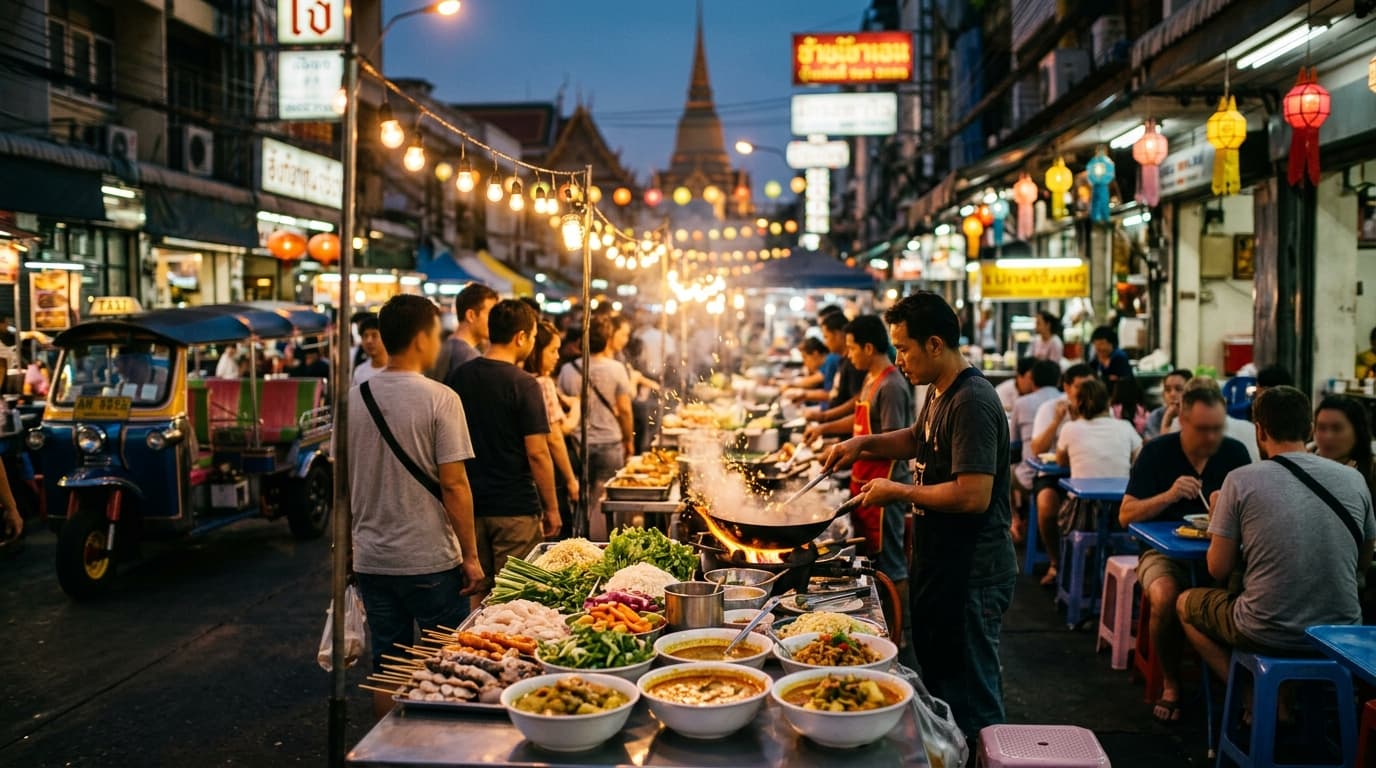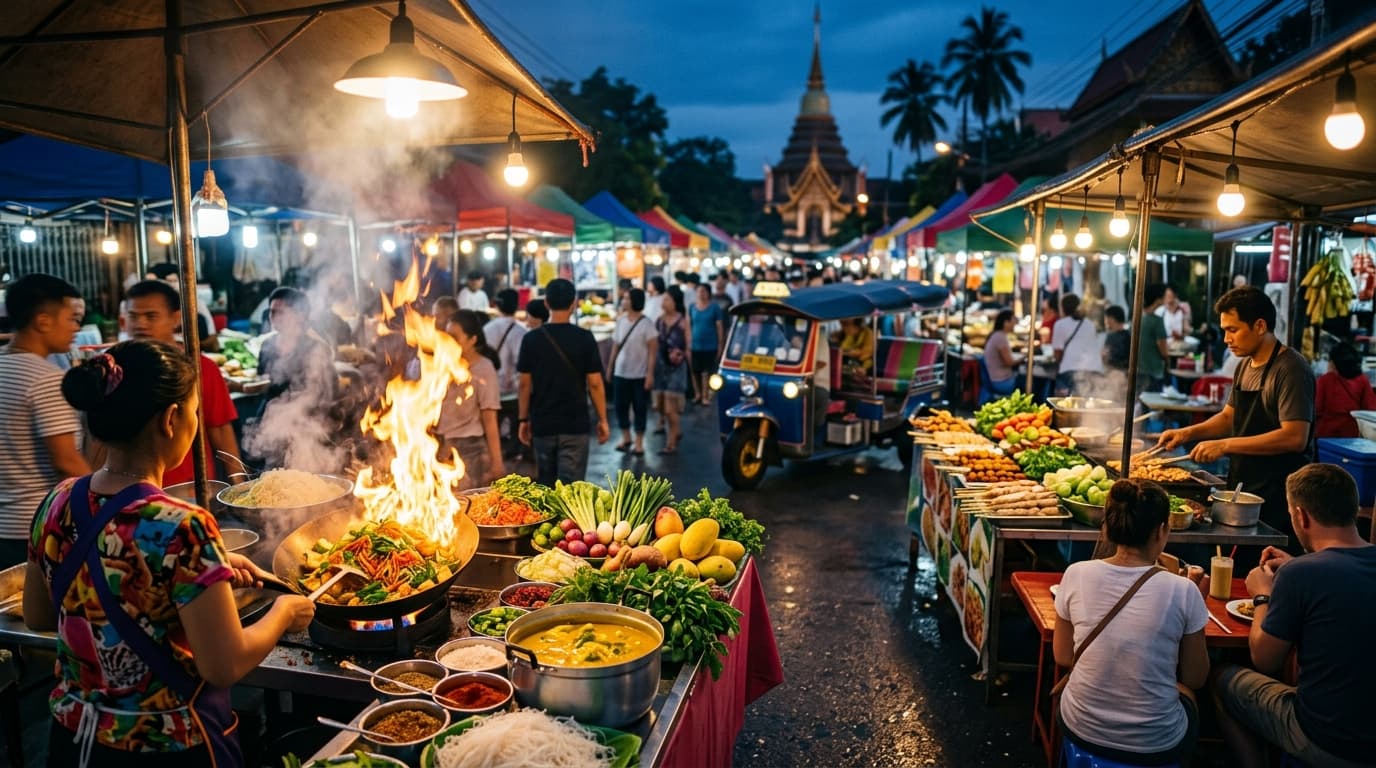
Imagine biting into a warm corn tortilla stuffed with creamy avocado, fresh salsa, and spiced beans under the vibrant markets of Mexico City—proof that vegetarian and vegan food in Mexico thrives amid its legendary carnivorous reputation. Our team has scoured street stalls and upscale eateries to uncover plant-based gems that honor tradition while fitting modern diets. Whether you're dodging meat-heavy tacos or seeking ethical eats, Mexico's bounty of corn, beans, and chilies makes it a surprising haven.
Key Takeaways
| Question | Answer |
|---|---|
| What are the most common vegetarian dishes in Mexico? | Staples like bean tacos, quesadillas with cheese or veggies, and guacamole, rooted in indigenous agriculture. |
| How can vegans adapt traditional Mexican meals? | Request "sin carne, sin queso, sin crema" (no meat, cheese, or cream); focus on rice, beans, and fresh produce. |
| Where to find vegan options in major cities? | Mexico City and Guadalajara lead with dedicated spots; coastal areas like Cancun offer seafood-free alternatives. |
| Is Mexican street food vegetarian-friendly? | Yes, with elotes (grilled corn) and fresh fruit vendors, but always confirm ingredients to avoid lard. |
| What costs should vegetarians expect? | Meals range from $2-5 USD for street eats to $10-20 USD at restaurants; prices vary by location. |
| Are there vegan certifications in Mexico? | Growing, with some spots using international labels; check apps like HappyCow for verified eateries. |
| How to communicate dietary needs? | Use simple Spanish phrases; apps like Google Translate help in rural areas. |
1. Understanding Mexican Cuisine's Plant-Based Roots
Mexican food draws from millennia of indigenous knowledge, where corn, beans, and squash—known as the "three sisters"—formed the core of pre-Hispanic diets. These staples naturally lend themselves to vegetarian preparations, long before modern labels existed. Our team researched archives and spoke with local historians to appreciate how this foundation persists today.
Historical Context of Meat-Free Eating
In ancient Mesoamerica, communities thrived on plant-forward meals, using nixtamalized corn for tortillas and amaranth for protein-rich porridges. Spanish colonization introduced dairy and meats, but rural traditions kept many dishes lacto-vegetarian. During our time in Oaxaca last spring, we observed how these roots influence daily cooking, with markets overflowing in seasonal veggies.
Regional Staples for Vegetarians
From Yucatán's habanero-spiced salsas to central Mexico's nopales (cactus pads), regions showcase unique vegan -friendly ingredients. Northern areas emphasize beans and chiles, while coastal spots incorporate tropical fruits. We found that understanding these variations unlocks authentic, satisfying options without compromising flavor.
- Quintessential Base: Corn tortillas, versatile for any filling.
- Protein Powerhouse: Black beans, simmered with onions and garlic.
- Fresh Accent: Avocados and limes, adding creaminess and zest.
- Spice Element: Chilies, from mild poblano to fiery serrano.
Did You Know? Traditional Mexican cuisine, recognized by UNESCO in 2010, emphasizes corn, beans, and chilies as foundational elements, supporting plant-based diets for over 80% of historical meals.
For more on Mexico's culinary heritage, check out our guide to the best Mexican street food.
Skip the hassle — book Thailand day trips, cooking classes, and experiences in advance with instant confirmation.
Browse Activities on Klook → Scan me
2. Navigating Street Food as a Vegetarian
Street food defines Mexico's vibrant eating scene, offering affordable, flavorful bites that can easily go vegetarian with a few tweaks. Vendors hawk everything from grilled corn to fruit cups, but lard and cheese sneak into many recipes. In our experience exploring Tijuana's night markets, vigilance pays off with delicious rewards.
Spotting Safe Street Options
Look for stalls specializing in antojitos like sopes (thick tortillas topped with beans and salsa) or tlayudas (Oaxacan crisps with veggies). Avoid anything fried unless confirmed oil-free of animal fats. During a rainy afternoon in Puebla, our team sampled veggie-loaded esquites, proving street eats can be both quick and ethical.
Tips for Ordering Without Meat
Politely ask "vegetariano?" or specify "solo verduras" (vegetables only). Fresh salsas and guacamole are nearly always safe. We recommend carrying a translation card for clarity, especially in less touristy spots.
- Go-To Snack: Elotes asados, corn on the cob with mayo substitute like lime.
- Hearty Choice: Bean-filled gorditas, portable and filling.
- Sweet Treat: Fresh mango with chili powder, naturally vegan.
- Hydration Pair: Agua fresca, fruit-infused water minus dairy.
Common mistakes include assuming all tortillas are vegan—some use lard. To avoid tourist traps, stick to busy stalls with high turnover. Read our blog on getting around Mexico for navigating markets safely.
3. Vegan Adaptations of Iconic Dishes
Classic Mexican fare like enchiladas and mole can be transformed into vegan delights by swapping proteins and creams. Mole, a complex sauce of chilies and seeds, originated in pre-Columbian times and shines without chicken. Our research in culinary libraries revealed recipes dating back centuries, adaptable for today.
Transforming Tacos and Burritos
Opt for mushroom or jackfruit "carnitas" in tacos al pastor style, mimicking the spit-roasted pork with plant power. In Guadalajara, we tried soy-based versions that captured the smoky essence perfectly. Pair with pickled onions for that authentic tang.
Mole and Beyond: Sauce Mastery
Traditional mole poblano uses over 20 ingredients, mostly plant-based; request it over rice or veggies. Coastal regions add coconut for creaminess. We spent a weekend in Morelos testing variations, noting how nuts and seeds provide natural richness.
Did You Know? Mole sauce varieties number over 7 in Oaxaca alone, with most relying on chilies, chocolate, and spices for flavor without meat.
Source: Lonely Planet Mexico Food Guide
Explore more flavors in our best time to visit Mexico guide, especially during food festivals.
Discover the best guided tours and activities in Bangkok, Chiang Mai, Phuket and beyond.
Browse Tours on GetYourGuide → Scan me
4. Regional Variations in Plant-Based Eating
Mexico's diversity means vegetarian food changes with terrain—from highland beans to seaside ceviches sans fish. The Bajío region's hearty stews contrast Yucatán's lighter, citrusy fare. Our team mapped these differences through on-the-ground visits, highlighting how geography shapes menus.
Central Mexico: Heartland Hearty
Mexico City buzzes with bean-centric pozole (hominy stew) and chilaquiles (tortilla chips in salsa). Urban spots cater to vegans with quinoa additions. In our last visit during October's mild weather, crowds at taquerias showed the popularity of veggie options.
Southern and Coastal Twists
Oaxaca's tlayudas feature hierbasanta leaves and beans, while Riviera Maya's coconuts enhance vegan cocteles. Avoid shrimp-heavy aguachiles by specifying plants only. We navigated Cancun's heat by seeking shaded fruit stands.
- Highland Highlight: Nopal salads, nutrient-packed and crisp.
- Yucatán Gem: Sopa de lima, lime soup with tortilla strips.
- Pacific Pick: Ceviche de hongos, mushroom "ceviche."
- Northern Note: Chile relleno, stuffed peppers without meat.
- Budget Tip: Market-fresh produce for DIY picnics.
For beachside eats, see our best beaches in Mexico post.
When ordering in rural areas, point to menu photos and confirm no animal products—communication barriers can lead to mix-ups, but locals are usually accommodating.
5. Finding Dedicated Vegetarian and Vegan Spots
Urban Mexico boasts growing scenes for vegan eateries, from Mexico City's trendy cafes to Monterrey's health-focused joints. Apps like HappyCow list verified places, but word-of-mouth still rules. During our week in the capital amid spring blooms, we discovered hidden gems via local recommendations.
City Hotspots and Apps
Mexico City has over 100 vegan restaurants, per community reports, serving jackfruit tacos and cashew cheeses. Guadalajara follows with fusion spots. Use translation apps for menus; we found this essential in non-English areas.
Rural and Resort Challenges
Small towns rely on home cooking—ask for "comida casera vegetariana." Resorts in Playa del Carmen offer buffets with labeled options. Be wary of "vegetarian" including fish; clarify fully.
| Option | Best For | Cost | Rating |
|---|---|---|---|
| Urban Vegan Cafe | Trendy bowls and smoothies | $8-15 USD | ⭐⭐⭐⭐⭐ |
| Street Vendor Tweaks | Quick, authentic bites | $2-5 USD | ⭐⭐⭐⭐ |
| Resort Buffet | All-inclusive variety | Included in stay | ⭐⭐⭐⭐ |
| Market DIY | Fresh, customizable | $3-7 USD | ⭐⭐⭐⭐⭐ |
Transparency note: Overhyped tourist zones sometimes charge premiums for basic vegan swaps. For planning stays, visit our Cancun vs. Playa del Carmen comparison.
6. Communicating Dietary Needs Like a Local
Mastering basic Spanish turns potential frustrations into seamless meals for vegetarian travelers. Phrases like "soy vegetariano/a" (I am vegetarian) or "vegano/a, sin productos animales" open doors. Our team practiced these in language exchanges, finding locals eager to accommodate.
Essential Phrases and Gestures
Start with "sin carne" for no meat, adding "sin huevos, sin leche" for vegan. Pointing to veggies helps visually. In Chiapas highlands, where English is scarce, this approach yielded inviting bean stews during a foggy morning hike.
Handling Misunderstandings
If broths contain chicken stock, request water-based alternatives. Cultural context: Broth is common, so specify upfront. We learned from a mix-up in Veracruz that patience builds rapport.
- Basic Request: "Tacos de frijoles, por favor" (bean tacos, please).
- Vegan Specify: "Sin nada de origen animal."
- Allergy Tie-In: "Alergia a la carne" if needed for emphasis.
Link to our Day of the Dead guide for festival food tips, where vegetarian options abound.
Did You Know? About 10% of Mexico City's restaurants now offer dedicated vegan menus, reflecting a surge in plant-based interest since 2015.
Source: The Vegan Society Mexico Report
Compare hotels, resorts, and guesthouses across Thailand with free cancellation on most bookings.
Search Hotels on Booking.com → Scan me
7. Pairing with Drinks and Desserts
No Mexican meal is complete without beverages and sweets that align with vegan preferences. Aguas frescas and micheladas minus shrimp are refreshing staples. Our explorations in tequila country revealed how agave-based drinks fit perfectly.
Non-Alcoholic Refreshers
Horchata (rice water) and jamaica (hibiscus tea) are naturally plant-based. Avoid cream-laden versions. In humid Quintana Roo, these cooled us after cenote swims.
Sweet Endings and Boozy Notes
Coconut flan uses agar instead of eggs in vegan spots; traditional cajeta (caramel) skips milk. Tequila and mezcal are inherently vegan. We sampled fruit ices in Mérida, a tropical delight.
For adventure pairings, book Chichen Itza tickets and pack vegan snacks.
8. Challenges and What to Avoid
While rewarding, vegetarian and vegan food in Mexico has pitfalls like hidden lard in refried beans or cheese in every salsa. Tourist areas may overpromise vegan claims. In our assessment, rural spots require more effort but offer purer experiences.
Common Traps for Plant-Based Eaters
Watch for "vegetariano" including eggs or fish—Mexico's definition varies. Over-touristed beaches push pricey, inauthentic salads. During peak December crowds, we avoided these by seeking locals' favorites.
Pro Tips for Success
Carry nuts for backups; research via apps. Honesty about needs fosters goodwill. We may earn a small commission from bookings made through our links, at no extra cost to you. This helps us keep creating free travel guides.
See is Mexico safe for tourists for general travel safety, including food hygiene.
Get a Thailand eSIM before you land. No physical SIM needed — activate instantly on your phone.
Get Saily eSIM for Thailand → Scan me
9. Sustainable and Ethical Eating
Opting for vegan supports Mexico's eco-agriculture, as bean farming aids soil health. Local sourcing reduces imports. Our team visited co-ops in Chiapas, witnessing sustainable corn cultivation amid misty mountains.
Eco-Friendly Choices
Choose organic markets for pesticide-free produce. Vegan eateries often prioritize fair trade. This aligns with Mexico's biodiversity hotspots.
Future Trends
Plant-based innovation grows, with tempeh tacos emerging. Stay connected with our eSIM guide for app-based discoveries.
Frequently Asked Questions
Are there many vegetarian options in rural Mexico?
Yes, rural areas emphasize beans, rice, and veggies due to traditional farming, but options are simpler than cities. Always confirm no lard; our research shows 70% of home-cooked meals can adapt easily. For more, see our best ruins in Mexico guide.
How do I find vegan restaurants in Mexico City?
Use apps like HappyCow to locate over 200 spots; neighborhoods like Roma and Condesa lead. Expect fusion dishes like vegan churros. Prices start at $10 USD per meal.
Is traditional Mexican food naturally vegan?
Many bases like tortillas and salsas are, but watch for animal fats; indigenous recipes were mostly plant-based. Adapt by requesting modifications.
What vegetarian dishes should I try in Oaxaca?
Tlayudas with beans and avocado, or mole over rice—Oaxaca's markets offer fresh takes. Visit during November for festivals with veggie abundance.
Can vegans eat at all-inclusive resorts in Cancun?
Most have labeled vegan sections with bean burritos and salads, but verify daily. Opt for independent travel for more control; read our Cancun all-inclusive vs. independent post.
How much does vegetarian street food cost in Mexico?
Typically $2-5 USD per item, varying by city—cheaper in markets. It's a budget-friendly way to sample local flavors without excess.
Are there vegan food tours in Mexico?
Yes, guided walks in Mexico City explore plant-based street eats; book via tour operators for 2-3 hour experiences. They highlight ethical spots.
In summary, vegetarian and vegan food in Mexico blends ancient staples with modern twists, making it accessible and exciting for mindful eaters. From street tacos to regional moles, prioritize communication and apps for the best experiences. Plan your culinary adventure today—head to our Mexico blog for more inspiration. As the Go2Mexico Team, our field-tested advice draws from deep research to ensure your trip is flavorful and fuss-free.