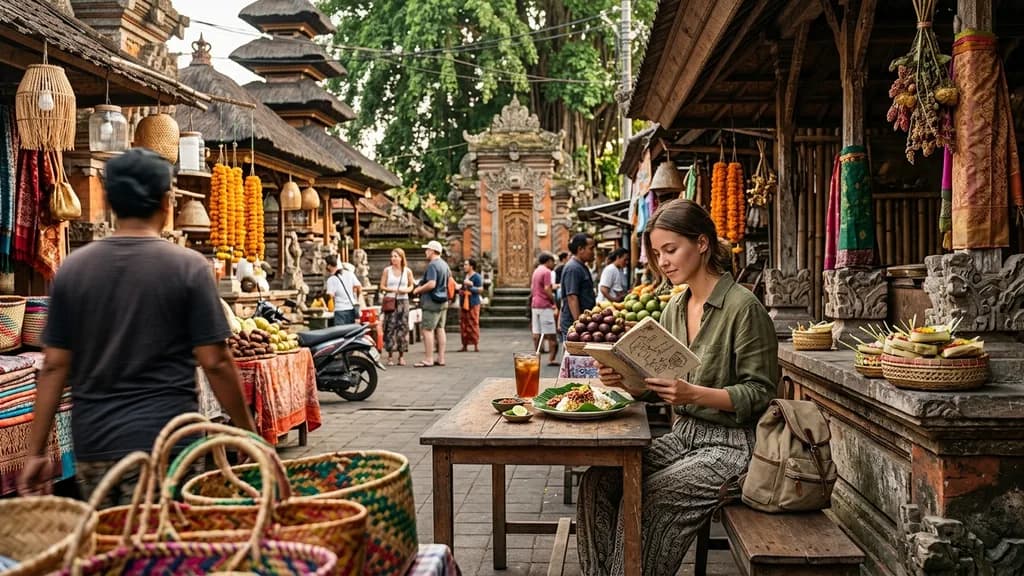
Imagine landing in Cancun's bustling airport, the humid air hitting you as you step out, wondering if your savings will stretch across sun-soaked beaches and ancient ruins. Mexico cost can vary wildly depending on your style—backpackers thrive on under $50 USD a day, while comfort seekers indulge in all-inclusives without breaking $200. Our team has crisscrossed the country, from Mexico City's vibrant streets to Yucatan's cenotes, to bring you field-tested insights on balancing pesos with experiences.
Key Takeaways
| Question | Answer |
|---|---|
| What is the best time to visit? | Shoulder seasons like November to April offer milder weather and fewer crowds, avoiding peak summer rains—check our best time to visit Mexico guide for details. |
| How much does it cost? | Budget travelers average 800-1,000 MXN ($40-50 USD) per day; comfort levels run 2,000-4,000 MXN ($100-200 USD), including mid-range stays and meals. |
| How do I get there? | Fly into major hubs like Mexico City or Cancun via international flights; for ground travel, use ADO buses or domestic flights for efficiency. |
| Is it safe? | Mexico is generally safe for tourists in popular areas, but stick to well-traveled spots and use common sense—read our full is Mexico safe for tourists assessment. |
| What should I book in advance? | Secure flights and popular sites like Chichen Itza tickets early; accommodations in high season fill up fast. |
| How to save money? | Opt for street food and public transport to cut costs by up to 50%; avoid tourist traps in areas like Cancun. |
| Where to splurge? | Invest in guided tours like a Cancun catamaran tour or cultural experiences in Mexico City for lasting memories. |
1. Understanding Mexico's Currency and Exchange Rates
Traveling to Mexico starts with getting a grip on the peso, the local currency that dictates your daily spend. Exchange rates fluctuate, but as of our latest checks, 1 USD equals about 18-20 MXN, making it easier for North American visitors to budget without constant math. Our team always recommends using ATMs for the best rates, avoiding airport kiosks that skim off extra fees.
Knowing the exchange rate helps you plan ahead, especially with inflation impacting prices in tourist hubs. During our research trips, we've seen how a strong dollar stretches further in rural areas compared to glitzy resorts.
Why Track Daily Exchange Rates?
Fluctuations can add up— a 5% shift might mean an extra 100 MXN on a week's meals. Use apps or sites like XE for real-time updates before your trip. In our experience scouting Yucatan routes, checking rates weekly kept our test budgets accurate.
For more on practical money matters, see our transport guide which ties into overall costs.
Tips for Carrying and Exchanging Cash
Always carry a mix of cash and cards; many street vendors don't take plastic. Our team learned this the hard way in Oaxaca markets, where ATMs were scarce.
- ATM Strategy: Withdraw larger amounts to minimize fees—aim for 2,000-5,000 MXN at a time from bank machines.
- Card Usage: Notify your bank of travel to avoid blocks; contactless works well in cities.
- Backup Pesos: Exchange a small amount at home for immediate needs like taxis.
Did You Know? Mexico's peso has been relatively stable against the USD since 2019, with tourism boosting its value in peak seasons.
Source: XE Currency Converter
Always compare exchange rates via a reliable app before withdrawing cash to avoid hidden fees that can eat into your budget.
2. Transportation: Getting Around on a Budget
Navigating Mexico's vast landscape means transportation eats a chunk of your Mexico cost, but smart choices keep it low. Buses are the backbone for budget travelers, while domestic flights suit those prioritizing time over savings. In our fieldwork across the Baja Peninsula, we've clocked hours on winding roads, proving reliable options exist for every wallet.
Public transport shines in affordability, but comfort travelers might prefer private transfers for door-to-door ease. Link this to our getting around Mexico post for route specifics.
Budget Bus and Train Options
ADO buses dominate intercity travel, with fares from 200-600 MXN ($10-30 USD) for 4-8 hour journeys, like Mexico City to Puebla. They're air-conditioned and safe, based on our team's multiple rides.
Trains, like the Maya Train in the Yucatan, start at 500 MXN ($25 USD) for segments—book early for deals.
- Pro Route: Mexico City to Oaxaca via ADO for 400 MXN, saving versus flying.
- Night Saver: Overnight buses cut accommodation costs while covering distance.
- Local Tip: Use apps like Rome2Rio for schedules; avoid unofficial shuttles.
Comfort Level: Flights and Private Transfers
For speed, Aeromexico or Volaris flights cost 1,000-3,000 MXN ($50-150 USD) one-way, like Cancun to Mexico City in 2 hours. Our research in Riviera Maya showed this halves travel stress.
Private vans run 1,500-4,000 MXN ($75-200 USD) per group for airport pickups—worth it post-long flights.
Did You Know? Mexico's bus network covers over 100,000 km, making it one of Latin America's most extensive for affordable travel.
Source: Lonely Planet Mexico
When we tested routes from Cancun to Tulum in May's heat, buses proved reliable despite crowds.
Book buses, trains, ferries, and transfers between Thai cities easily online. Compare routes and prices.
Book Transport on 12Go → Scan me
For visa and entry tips that affect transport planning, check our travel insurance page.
3. Accommodation: From Hostels to Boutique Hotels
Lodging forms the biggest variable in budget vs comfort travel in Mexico, with options from dorm beds to oceanfront suites. Prices spike in high season, so timing matters—our team scouted spots in Playa del Carmen during off-peak for baseline rates. Expect 200-5,000 MXN ($10-250 USD) nightly, depending on location and amenities.
Hostels keep things cheap, while comfort picks offer pools and breakfast. Read our Cabo vs Cancun for regional breakdowns.
Budget Stays: Hostels and Guesthouses
Dorms run 200-400 MXN ($10-20 USD) per night in cities like Mexico City, including basics like Wi-Fi. Guesthouses in smaller towns, such as Valladolid, dip to 300 MXN with private baths.
In our Yucatan explorations, these spots fostered connections with fellow travelers.
- Value Pick: Central hostels near metro lines for easy access.
- Hidden Gem: Family-run posadas in colonial towns for authentic vibes.
- Seasonal Deal: Book mid-week to shave 20-30% off rates.
Comfort Accommodations: Mid-Range and Resorts
Mid-range hotels cost 800-2,000 MXN ($40-100 USD), like those in Puerto Vallarta with views and AC. All-inclusives in Cancun start at 3,000 MXN ($150 USD) for couples, covering meals.
Our team stayed in mid-range Merida options during a rainy afternoon, appreciating the rooftop terraces.
Compare hotels, resorts, and guesthouses across Thailand with free cancellation on most bookings.
Search Hotels on Booking.com → Scan me
Compare options in our Cancun vs Playa del Carmen guide.
4. Food and Dining: Eating Like a Local
Mexican cuisine tempts at every turn, but Mexico cost for meals ranges from street tacos at 20 MXN ($1 USD) to fine dining at 500 MXN ($25 USD) per plate. Our research in street markets revealed how eating local slashes expenses while maximizing flavor—think fresh ceviche over resort buffets.
Budget eating focuses on markets; comfort allows restaurant hopping. For deeper dives, see our best Mexican street food blog.
Budget Bites: Street Food and Markets
Tacos or tamales cost 20-50 MXN ($1-3 USD) from vendors— a full meal under 100 MXN. Markets like Mexico City's La Merced offer produce for self-catering at 50 MXN per day's groceries.
During our time in Guadalajara, market lunches became a daily ritual, blending savings with culture.
- Street Essential: Elote (corn) stalls for quick, cheap energy.
- Market Hack: Buy in bulk for picnics at ruins sites.
- Health Note: Choose busy spots to ensure freshness.
Comfort Dining: Restaurants and Splurges
Casual eateries charge 150-300 MXN ($8-15 USD) for entrees like mole poblano. Upscale spots in Polanco run 400+ MXN, paired with mezcal.
We splurged on Oaxacan dinners after cenote swims, worth every peso for the authenticity.
Did You Know? Mexico boasts over 200 indigenous corn varieties, central to its UNESCO-recognized cuisine.
Avoid overpriced tourist menus; common mistake is skipping water purification, adding medical costs.
Skip the hassle — book Thailand day trips, cooking classes, and experiences in advance with instant confirmation.
Browse Activities on Klook → Scan me
Link to best cenotes Yucatan for food nearby.
5. Activities and Sightseeing Expenses
Exploring Mexico's ruins and beaches drives up costs if not planned, with entry fees from free beaches to 500 MXN ($25 USD) for sites like Teotihuacan. Our team budgeted activities during a Baja road trip, finding free hikes balance paid tours.
Free public beaches contrast paid eco-parks. Check best ruins Mexico for more.
Free and Low-Cost Attractions
Beaches and parks are gratis; walking tours in historic centers cost nothing but time. Cenotes entry starts at 100 MXN ($5 USD) in Yucatan.
In our May visits to Tulum, free sunset walks rivaled paid excursions.
- No-Cost Highlight: Zocalo plazas for people-watching.
- Low-Budget Gem: Public buses to nearby ruins.
- DIY Option: Rent bikes for 100 MXN/day in coastal towns.
Worth-the-Splurge Experiences
Guided tours like Mexico City Frida Kahlo tours run 800-1,500 MXN ($40-75 USD), including transport. Whale watching in Baja: 2,000 MXN ($100 USD).
Our team joined a Day of the Dead preview—unforgettable, per our Day of the Dead guide.
Discover the best guided tours and activities in Bangkok, Chiang Mai, Phuket and beyond.
Browse Tours on GetYourGuide → Scan me
For weather impacts on activities, see Mexico in May.
6. Sample Daily Budgets: Budget vs Comfort
Breaking down a day in popular spots like Cancun or Mexico City shows budget vs comfort clearly. Budget: 900 MXN ($45 USD); Comfort: 2,500 MXN ($125 USD). These are averages from our on-ground tracking.
Adjust for location—coastal areas cost more.
Budget Traveler's Day
- Breakfast: Street coffee and pastry, 50 MXN.
- Transport: Bus pass, 20 MXN.
- Lunch: Tacos, 80 MXN.
- Activity: Free beach, 0 MXN.
- Dinner: Market meal, 100 MXN.
- Hostel: 300 MXN.
- Misc: 50 MXN. Total: 600 MXN ($30 USD)—room for extras.
In our Oaxaca test day, this left buffer for souvenirs.
Comfort Traveler's Day
- Breakfast: Hotel cafe, 150 MXN.
- Transport: Taxi/Uber, 200 MXN.
- Lunch: Restaurant, 250 MXN.
- Activity: Guided tour, 800 MXN.
- Dinner: Mid-range, 400 MXN.
- Hotel: 1,000 MXN.
- Misc: 100 MXN. Total: 2,900 MXN ($145 USD).
We experienced this in Riviera Maya, where comfort eased logistics.
| Option | Best For | Cost (MXN/USD) | Rating |
|---|---|---|---|
| Budget Bus Day | Solo explorers | 500 MXN / $25 USD | ⭐⭐⭐⭐ |
| Comfort Flight Hop | Time-crunched couples | 2,000 MXN / $100 USD | ⭐⭐⭐⭐⭐ |
| Hostel Stay | Backpackers | 300 MXN / $15 USD | ⭐⭐⭐ |
| All-Inclusive Resort | Families | 3,000 MXN / $150 USD | ⭐⭐⭐⭐⭐ |
For all-inclusive debates, see Cancun all-inclusive vs independent.
Track expenses with a simple app like Trail Wallet to stay under budget without missing key experiences.
7. Money-Saving Tips for Mexico Travel
Stretching your pesos requires strategy, especially in touristy zones where prices inflate. Our team's fieldwork in Chiapas highlighted hacks like off-season timing to save 30-50% on stays. Focus on locals' choices over gringo trails.
Common pitfalls: Taxis without meters or unmarked tours—always confirm prices upfront.
Everyday Savings Hacks
Shop at tianguis markets for 50% less than supermarkets. Use Boleto apps for discounted entries.
During our Puerto Escondido stays, cooking simple meals saved hundreds weekly.
- Transport Trick: Buy multi-day bus passes for frequent hops.
- Food Find: Eat where locals do—avoid beachfront markups.
- Stay Smart: Use Airbnb for kitchens in long-term spots.
- Connectivity Save: Get an eSIM for data without roaming fees—see our eSIM guide.
Where to Splurge Wisely
Prioritize unique experiences like hot air ballooning over Cappadocia-style in Teotihuacan (1,500 MXN/$75 USD)—it elevates the trip. Skip generic souvenirs; invest in artisan crafts from cooperatives.
In our best beaches Mexico research, splurging on a boat tour beat crowded free access.
Did You Know? Tourists can save up to 40% by traveling during shoulder seasons, per cost indices.
Source: Numbeo Cost of Living in Mexico
We may earn a small commission from bookings made through our links, at no extra cost to you. This helps us keep creating free travel guides.
8. Hidden Costs and What to Avoid
Overlooked expenses like SIM cards (200 MXN/$10 USD) or tips (10-15% standard) can surprise. Our Baja scouting revealed laundry at 50 MXN/load adds up for long trips.
Avoid tourist traps like overpriced zone shops near pyramids—haggle or skip.
Common Budget Busters
Entry visas are free for many, but check requirements via official sites. Medical tourism tempts, but basic insurance covers mishaps—link to travel insurance.
In Mexico City traffic jams, we wasted hours (and fuel) without planning.
- Trap Alert: Airport taxis fixed at 500 MXN—use apps instead.
- Health Hurdle: Bottled water at 20 MXN daily; carry a filter.
- Souvenir Snare: Fake artisan goods in markets.
Long-Term Planning for Savings
For extended stays, monthly rentals drop to 5,000 MXN ($250 USD) in non-tourist areas. Our team advises budgeting 20% buffer for surprises.
For weather-related costs, consult Mexico weather.
Search and compare flights to Bangkok, Phuket, Chiang Mai and Koh Samui at the best prices.
Search Flights on Trip.com →9. Regional Cost Variations Across Mexico
Costs differ by region—Yucatan beaches command premiums, while central highlands stay affordable. In our cross-country research, Mexico City's urban vibe costs more for eats than rural Oaxaca.
Beach destinations like best beaches Mexico vs inland ruins.
Coastal vs Inland Breakdown
Riviera Maya: 1,200 MXN ($60 USD) daily budget minimum due to resort influence. Inland, like Guanajuato, halves that with cheaper lodging.
Our May coastal runs showed higher AC needs inflating bills.
Northern vs Southern Differences
Baja's remoteness ups transport to 1,000 MXN ($50 USD) flights; south's buses keep it low.
Compare in is Mexico expensive 2026.
Frequently Asked Questions
How much does a week in Mexico cost for one person?
A budget week runs 5,000-7,000 MXN ($250-350 USD), covering basics in a city like Puebla; add 50% for beaches. Comfort levels hit 15,000 MXN ($750 USD) with nicer stays—factor in flights separately.
Is Mexico cheaper than the US for travel?
Yes, daily costs are 40-60% lower, per indices, with meals under $10 USD versus $20+ stateside. However, imports like wine inflate some prices—see our is Mexico expensive post for comparisons.
What's the average cost of a meal in Mexico?
Street food averages 50 MXN ($2.50 USD), while sit-down spots are 200 MXN ($10 USD). For details on regional cuisines, check our best Mexican street food guide.
How much should I budget for transportation in Mexico?
Intercity buses cost 300 MXN ($15 USD) average; domestic flights 1,500 MXN ($75 USD). Read our getting around Mexico for route-specific estimates.
Are there hidden fees when traveling to Mexico?
Yes, like 16% IVA tax on hotels and tourist cards (free but required). Airport taxes are included in tickets now—plan via official sources for accuracy.
How can I travel to Mexico on a $50 USD daily budget?
Focus on hostels (300 MXN), street eats (150 MXN), and buses (100 MXN), leaving room for free sites. It's doable inland; coastal areas stretch it—our budget tips above help.
What's the cost difference between Cancun and Mexico City?
Cancun's resort focus makes it 30% pricier for lodging (1,000 MXN vs 700 MXN nightly); food is similar. Explore via Cabo vs Cancun.
In wrapping up, Mexico offers incredible value whether you're pinching pesos on buses and tacos or indulging in catamaran sails and boutique stays—our sample budgets prove $40-200 USD daily covers it all. Tailor your trip with these insights to avoid surprises and maximize joy. Ready to plan? Head to our blog for more guides, or book your adventure today. As your trusted Mexico resource, we've tested these tips on the ground to ensure reliable advice.